

Wildlife Encounters in the pristine wilderness of the Pilbara
The Pilbara region stands out as a prime adventure travel destination in Western Australia. This area offers breathtaking remote landscapes, vibrant ecosystems, and a deep connection to nature. With breathtaking views that evoke a sense of wonder, it attracts those seeking authentic experiences.
Biodiversity in the Pilbara is truly remarkable. Home to many indigenous species, this region is a haven for conservation efforts. The rich natural environment plays a crucial role in sustaining its unique ecosystems. Each habitat, from arid scrublands to lush riverbanks, supports an array of flora and fauna.
Wildlife enthusiasts can participate in numerous outdoor activities. Birdwatching, wildlife photography, and guided walking tours allow explorers to engage with nature up close. The opportunities for adventure here are endless. Whether hiking through stunning gorges or navigating tranquil rivers, every moment invites discovery.
Eco-tourism thrives in the Pilbara. Visitors are drawn not only by its beauty but also by the chance to contribute to conservation initiatives. By appreciating this pristine wilderness, travelers can help protect its treasures for generations to come. The Pilbara region is not just a stop on the map; it’s an adventure waiting to unfold.
Understanding Pilbara wildlife
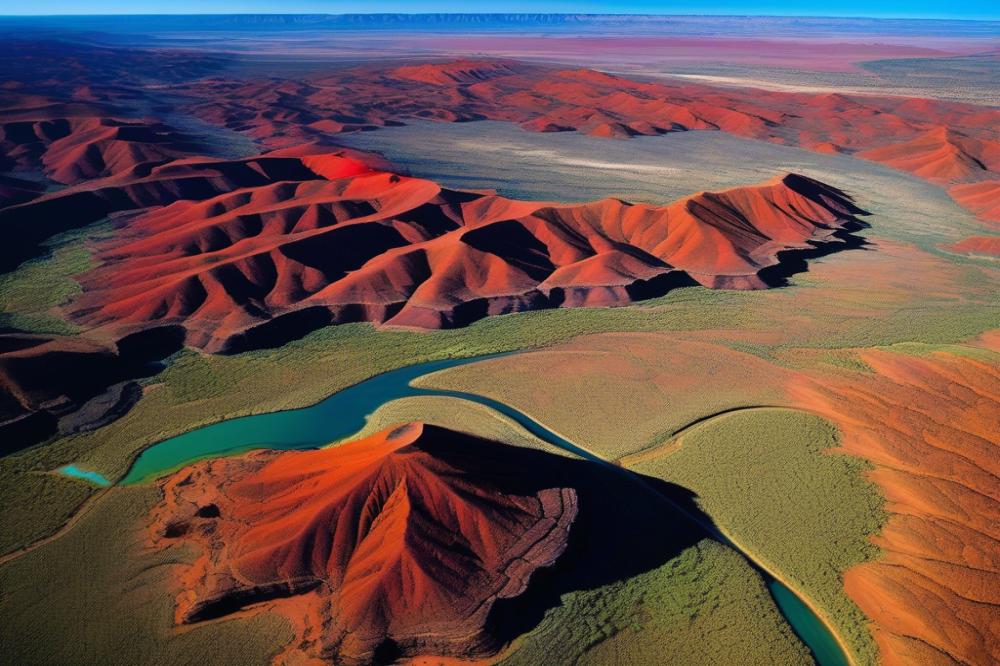
The Pilbara region of Australia features a range of ecosystems that are truly remarkable. Arid deserts, ancient rock formations, and lush river systems form this diverse environment. Each area supports different types of flora and fauna, making exploration here a fascinating experience. Visitors frequently encounter wildlife in its natural settings, highlighting the importance of these untouched landscapes.
Biodiversity in the Pilbara is impressive. The region hosts numerous indigenous species, including various reptiles, birds, and mammals. Many of these creatures thrive in the rocky outcrops and spinifex grasslands. Additionally, aquatic habitats near rivers support unique fish and amphibians. Observing these animals can be a thrilling adventure for anyone passionate about nature or wildlife photography.
Conservation in Focus
Efforts to conserve this extraordinary environment are crucial. Organizations work tirelessly to protect habitats from degradation caused by human activities. Conservation not only preserves the natural beauty but also supports local wildlife. It creates balance in the ecosystem, ensuring that indigenous species can thrive. Eco-tourism plays a significant role in these initiatives, encouraging visitors to appreciate and respect the wilderness.
Outdoor activities draw many tourists to the Pilbara. Hiking, birdwatching, and camping immerse people in nature, allowing them to connect with the landscape. Collaborative conservation strategies often include educating visitors on protecting this ecosystem. Those who venture into the remote landscapes gain invaluable insights into the fragile balance of life in the Pilbara.
Wildlife encounters here are not just about observation; they are about understanding a larger relationship between nature and humans. By supporting conservation efforts, visitors can contribute to the well-being of these special habitats. Each small action can make a difference in maintaining the rich biodiversity that defines the Pilbara.
Wildlife Encounters and Eco-Tourism
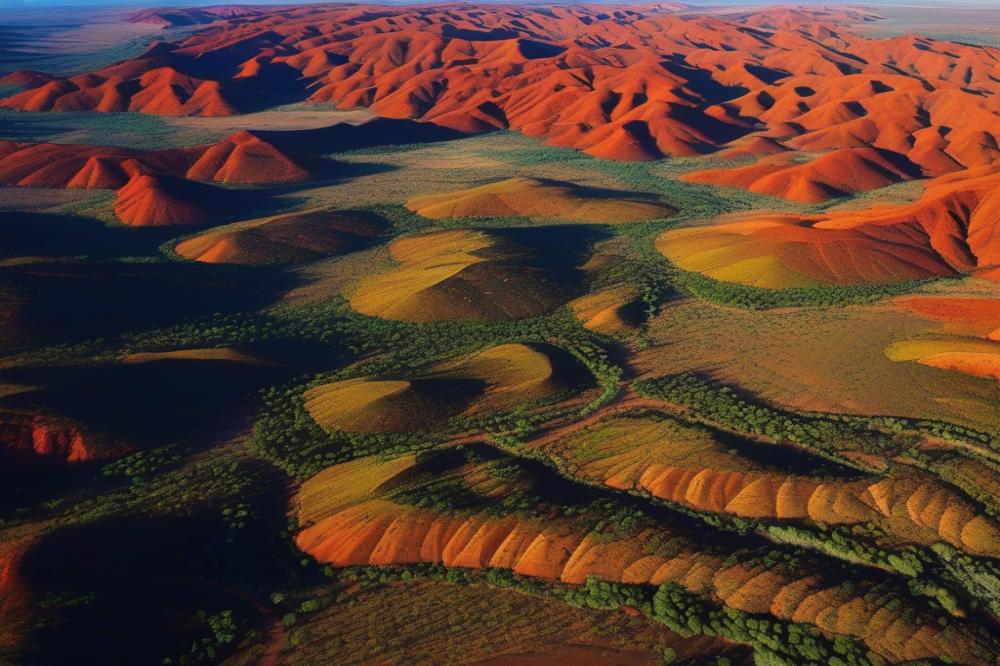
The Pilbara region is well-known for its untouched nature and amazing biodiversity. Eco-tourism here has become a key way to explore its wild side while protecting the environment. Travelers seeking adventure can dive into various experiences that showcase local wildlife. Tour operators often provide guided tours, ensuring guests spot indigenous species in their natural habitats. These encounters not only thrill visitors but also support conservation efforts in the region.
One popular experience involves wildlife photography. Many travelers come to capture images of unique animals native to the Pilbara. Birds, reptiles, and even mammals like kangaroos can be spotted in this diverse area. More than just snapping pictures, visitors learn about the importance of these creatures to the ecosystem. Outdoor activities such as hiking and boat rides often lead to unexpected sights, making each trip an adventure.
Responsible tourism plays a vital role in helping conserve these unique ecosystems. Tour operators promote safe practices that protect wildlife and their habitats. Travelers are encouraged to respect nature by following guidelines that limit their impact. Eco-tourism here is about more than just viewing wildlife; it is about fostering a connection with the land and its creatures. This approach benefits everyone, including the local communities that rely on tourism for their livelihoods.
In the end, the Pilbara wilderness offers a chance to see remarkable wildlife up close. adventure travelers and eco-tourists can find a balance between exploration and conservation. By choosing responsible tourism options, they contribute to protecting this pristine wilderness for future generations.
Exploring Remote Landscapes
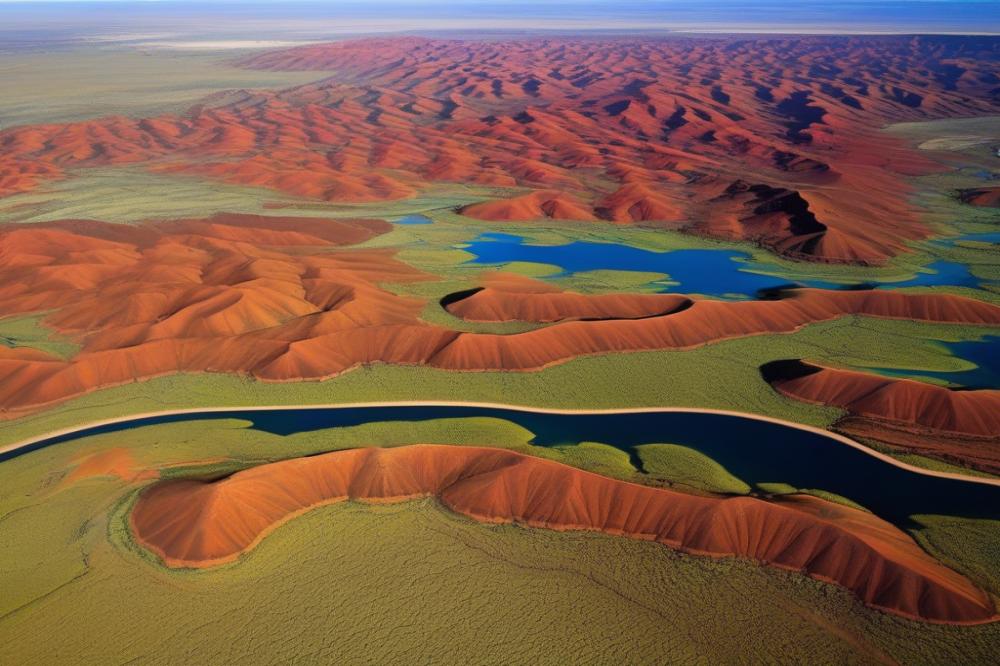
The Pilbara offers stunning remote landscapes that captivate visitors. Towering red cliffs, vast deserts, and ancient gorges shape this region. Unique ecosystems thrive here, showcasing a mix of flora and fauna rarely found elsewhere. Nature enthusiasts come to witness the breathtaking beauty of these untouched areas. The diverse biodiversity is a testament to millions of years of evolution.
Adventure travel activities abound in this wild setting. Hiking through the rugged terrain brings an exhilarating sense of freedom. Campsites nestled in the heart of nature allow for serene evenings under the stars. Wildlife photography presents an exciting opportunity to capture the rare and beautiful indigenous species. Whether you’re a novice or a pro, the Pilbara provides countless chances to enhance your skills.
Eco-tourism plays a vital role in preserving these pristine environments. As more people explore, raising awareness about conservation becomes crucial. Protecting such areas is necessary for future generations to enjoy. Engaging with nature leads to a deeper understanding of our responsibilities towards the wilderness. Visitors can make a positive impact by practicing sustainable outdoor activities.
Biodiversity and Conservation Efforts
The Pilbara region is home to a remarkable range of plants and animals. Biodiversity here is rich, with many species found nowhere else on Earth. Conservation programs aim to protect these vital ecosystems. Various organizations work hard to preserve the fragile habitats that support a variety of indigenous species. They conduct research, assist in recovery efforts, and monitor population levels to maintain balance in this wilderness.
Partnerships with Indigenous communities play a crucial role in these conservation efforts. Traditional knowledge helps modern scientists understand the land better. Indigenous people have cared for these ecosystems for thousands of years. Their insights guide sustainable practices that benefit both nature and local culture. This collaboration reinforces the importance of respect for tradition while addressing contemporary challenges.
The Impact on Adventure Travel and Eco-Tourism
Conservation efforts are influencing adventure travel and eco-tourism in the Pilbara. Tourists are drawn to this pristine wilderness for wildlife photography and outdoor activities. Responsible tourism helps fund conservation initiatives, creating a beneficial cycle. Travelers are encouraged to appreciate the natural beauty without causing harm. This approach allows people to experience remote landscapes while contributing to the protection of unique ecosystems.
Visitors often engage in experiences that highlight the region’s biodiversity. Guided tours led by local experts share knowledge about the area’s flora and fauna. Such interactions deepen the understanding of essential conservation work. Eco-tourism promotes awareness and appreciation, which ultimately aids in the preservation of these precious resources.
Outdoor Activities for Wildlife Enthusiasts
The Pilbara region offers numerous outdoor activities that allow wildlife lovers to observe the area’s rich biodiversity. Guided hikes lead visitors through remote landscapes filled with diverse ecosystems. Birdwatching is especially popular, with many indigenous species present. Early mornings are ideal for spotting rare birds in their natural habitat.
For those interested in wildlife photography, using the right techniques can make a significant difference. A silent approach is critical to avoid disturbing animals. Photography enthusiasts should also consider the time of day. The soft light during sunrise and sunset creates beautiful conditions to capture animals in their actions. Always respect the environment and wildlife by not getting too close.
Guided Tours and Self-Guided Adventures
Many tour companies offer guided experiences tailored for eco-tourism. These knowledgeable guides share insights about the region’s ecology. They also highlight conservation efforts aimed at protecting native wildlife. Participants can expect to learn about the delicate balance of these ecosystems.
For the adventurous spirit, self-guided exploration is an option. Bring along a map and a good set of binoculars. Many trails lead to stunning views and spots where wildlife gathers. Pack plenty of water and snacks to keep energy levels high. Following marked paths helps minimize impact on the land.
Regardless of the chosen method, remember to capture memories while being mindful. The Pilbara is home to fragile ecosystems and various wildlife. Preserve your surroundings for future explorers. Adventure awaits, whether through guided experiences or personal exploration.
Reflecting on Wildlife Encounters in the Pilbara
Experiencing wildlife in the Pilbara can leave a lasting impression on adventure travelers. This region is not only rich in natural beauty but also thrives on the incredible biodiversity found within its borders. Each encounter with the native fauna reveals a story of survival and adaptation, highlighting the interconnectedness of life in this rugged environment.
Visitors often gain a deeper appreciation for the earth’s wonders through these interactions. The chance to observe animals in their natural habitat fosters a sense of responsibility towards preservation. Everyone who ventures into this pristine wilderness plays a part in protecting its delicate ecosystems.
Encouraging sustainable tourism is crucial for maintaining this unique landscape. Actions taken today can shape the future of conservation efforts. Eco-tourism presents an opportunity for individuals to enjoy the outdoors while safeguarding nature for generations to come. Respecting the space and wildlife is essential for ensuring its survival.
As we look ahead, the challenge remains to balance adventure with conservation. Efforts to preserve the Pilbara’s remarkable environment are increasingly important as more people explore its depths. A future that harmonizes eco-tourism with wildlife protection holds great promise for both visitors and the region itself.
Overall, wildlife encounters in this breathtaking part of Australia are not just adventures; they are vital lessons in respect for our planet. Each visit leaves a mark, creating ambassadors for conservation who will champion the beauty and significance of the Pilbara for years to come.
