
Introduction
Syracuse, located on the eastern coast of Sicily, boasts a rich tapestry of ancient history. This city, once a powerful Greek colony, offers many archaeological sites that reveal stories from millennia past. Exploring these historical landmarks can deepen our understanding of the past and its impact on modern culture. Each site serves as a bridge to a world that shaped civilizations.
Among the treasures of Syracuse is a remarkable limestone cave carved into a hillside. Known for its extraordinary sound acoustics, this cave has captivated the imaginations of visitors for centuries. Legend has it that Dionysius the Elder, a 5th-century tyrant, used this location to eavesdrop on prisoners. Hearing their secrets through the unique acoustic properties adds an intriguing layer to the site’s history.
The archaeological site also includes a grand Greek theater, which stands as a testament to the architectural prowess of the ancient world. Visitors flock to see these remnants, attracted by their beauty and historic significance. The Ear of Dionysius remains a focal point for those interested in understanding the complexities of life in ancient Syracuse.
The Ear of Dionysius

Description of the limestone cave
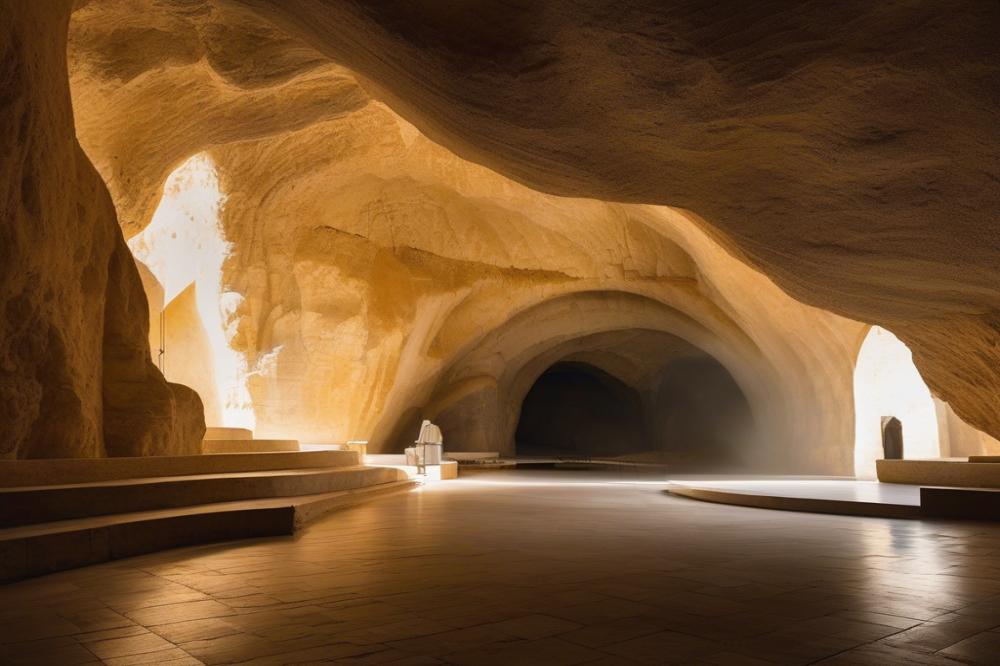
The Ear of Dionysius is a fascinating limestone cave located in Syracuse, Sicily. It features an unusual shape resembling a human ear, which is where its name comes from. The cavern measures about 65 feet high and extends around 236 feet in length. Inside, visitors can hear their voices echo remarkably, thanks to the cave’s sound acoustics. This phenomenon has intrigued many over the centuries. The formations within the cave exhibit natural beauty and show how the limestone has weathered over time. As you explore the site, shadows dance along the walls, enhancing the sense of mystery.
Connection to Greek theater
The site is more than just a natural wonder; it also has strong ties to Greek theater. Legend holds that Dionysius the Elder, a tyrant of Syracuse, used this cave as a prison. He could eavesdrop on his prisoners from a distance, listening to their conversations through the cave’s excellent acoustics. This unique connection adds depth to the cave’s story. The area around the cave was once home to stages and theaters that hosted dramatic performances. The cultural heritage of Sicily is rich, and this landmark plays a significant role in that history.
Significance as an archaeological site
As an archaeological site, the Ear of Dionysius offers a glimpse into ancient history. Researchers and historians find value in studying its geology and architecture. This remarkable landmark attracts countless visitors each year, drawn by its historical significance. The cave is part of the largerlathe archaeological park in Syracuse, which houses other historical treasures. Each visit reveals new wonders about the past. Explorers can walk the paths once trodden by ancient Greeks and reflect on their lives. The cave continues to be a popular visitor attraction, creating a bridge between the past and present.
Historical Background

Dionysius the Elder and his reign
During the 5th century BC, Dionysius the Elder rose to power in Syracuse, a city-state on the eastern coast of Sicily. He ruled with an iron fist, transforming Syracuse into a significant power in the ancient Mediterranean world. His reign lasted from 405 BC to 367 BC, and he is remembered for both his military exploits and his architectural advancements. Under his leadership, the city flourished, boasting impressive structures and a fortified city wall. This era also saw the expansion of the Greek theater, attracting artists and performers from across the region. A mixture of fear and admiration surrounded his name, as he was known for his ruthless tactics against enemies.
Legends surrounding the cave
The limestone cave known as the Ear of Dionysius is steeped in local legend. It is said that Dionysius used this cave as a prison to eavesdrop on his enemies. Its unique architectural features contribute to its remarkable sound acoustics, allowing whispers to travel clearly across vast distances. Many visitors today are intrigued by the tale that Dionysius would listen to the plans of his captives, showing a cunning that matched his fierce rule. The cave’s peculiar shape has led to myths about its purpose, with some suggesting it served as a hiding place for treasures or a sanctuary for the gods. Over the centuries, these stories have captured the imagination of tourists and locals alike.
Insights into ancient history
This archaeological site offers valuable insights into life in ancient Sicily. The harmonious blend of nature and human ingenuity is evident in every corner of the landscape. Scholars study Dionysius’ reign to understand better the complexities of power during this turbulent time. Artifacts found in the area suggest a robust trade network and cultural exchanges with other civilizations. The importance of Syracuse in Mediterranean history cannot be overstated. As a historical landmark, the site attracts visitors eager to learn about its past. Touring the area provides a glimpse into a rich heritage that dates back thousands of years, reflecting the sophistication of its ancient inhabitants.
Architectural Features

Remarkable architecture of the Ear of Dionysius
The architectural design of this site is truly fascinating. Carved from a limestone cave, the features showcase the skill of ancient builders. Visitors often marvel at the high ceilings and irregular shapes. This site is a part of Syracuse and reflects the creative spirit of its time. The cave’s walls display natural textures, providing insight into its geological past. The sheer scale of the structure can be overwhelming. When standing inside, one can feel the weight of centuries of history.
Natural acoustics and their effects
Sound acoustics in this remarkable site are extraordinary. The cave is said to amplify whispers into booming echoes. Many believe that this property was known by Dionysius the Elder, who might have used it for eavesdropping on prisoners. It’s a natural wonder how the cave can transform sound. Even a low voice carries, reaching all corners of the chamber. This effect adds a layer of intrigue to its historical significance. Guests often experiment with sound, curious about how it plays within the space.
Comparison with other ancient sites
When comparing this site to other ancient landmarks, unique features stand out. The Greek theater in Taormina, also in Sicily, offers a stunning panoramic view but lacks the cave’s acoustical wonders. Each site tells its own story, shaped by the culture and practices of its time. For instance, the theater was designed for performances, while this site may have served a more private, strategic purpose. Both attract many visitors, yet the acoustics of this limestone cave create a different experience. Each historical site has its charm, holding pieces of ancient history for all to explore.
Visiting the Ear of Dionysius
Access and location details
The Ear of Dionysius is located in the ancient city of Syracuse, Sicily. It sits within the archaeological park of Neapolis, a region rich in history. Visitors can reach it easily by car or public transport from nearby cities. Once in Syracuse, signs guide you to the site. Admission fees apply, and it’s wise to check the opening hours before heading out. Accessibility for those with mobility challenges may vary, so planning ahead is essential.
What to see and do at the site
At this limestone cave, remarkable architecture greets you. The cave is known for its extraordinary sound acoustics. This feature contributes to its fascinating history. Legend has it that Dionysius the Elder used this space for listening to prisoners. The Greek theater is also nearby and merits a visit. Exploring the surrounding ruins offers a glimpse into ancient history. Guided tours can enhance your understanding of the site’s significance.
Tips for visitors and nearby attractions
Be prepared for a bit of walking. Comfortable shoes will help you enjoy the experience fully. Early morning visits can lead to a quieter atmosphere. Carry water, especially during hotter months, to stay hydrated. Nearby, you’ll find the Siracusa Cathedral and the charming streets of Ortigia. Exploring these attractions provides additional insight into the rich culture of the region. Photography enthusiasts should not forget their cameras. Capturing the stunning details of the site can be memorable. Aim to explore both the cave and surrounding areas to appreciate their historical context.
Cultural Impact and Legacy
The Ear of Dionysius in Art and Literature
The remarkable architecture of this limestone cave has inspired many artists and writers. Paintings and sculptures feature its dramatic shape, often evoking themes of power and mystery. Poetry, too, has drawn from the storied past associated with Dionysius the Elder. Creativity flourishes around such historical landmarks, leading to deeper appreciation of ancient history.
Role in Understanding Sicilian Heritage
An archaeological site like this is more than a tourist spot; it holds stories of Sicily’s rich past. Educational programs often highlight its significance. Scholars study the cave to grasp local culture and politics during ancient times. Many Sicilians cherish the connection their history brings to the region. The influence of Greek theater still echoes in the way people engage with drama and performance even today.
Continued Relevance in Modern Tourism
Tourists flock to see this famous visitor attraction every year. Its unique sound acoustics amaze those who take a moment to listen inside. Guided tours explore its history and mythological connections. Travelers leave with stories to share, and many take photographs to capture memories. The site serves as a vital link between the past and the present, enriching the Sicilian experience.
Reflecting on the Ear of Dionysius
The Ear of Dionysius stands out as a must-see attraction in Syracuse. This remarkable archaeological site captivates visitors with its intriguing shape and fascinating acoustics. Many people find themselves amazed at how whispers can travel across the cavern. Such unique features spark curiosity and encourage exploration of the site’s rich past.
Exploring Syracuse means diving deep into ancient history. The city is bursting with stories waiting to be uncovered. From the mighty Greeks to the Romans, every corner reveals a piece of its vibrant heritage. Visitors can walk through ancient ruins, visit museums, and enjoy the breathtaking landscapes while immersing themselves in a culture like no other.
Traveling to Sicily offers treasures beyond imagination. While discovering the Ear of Dionysius, take time to enjoy the local cuisine, art, and warm hospitality. Each experience adds layers to your understanding of this beautiful island. With so much to see and learn, it’s clear that a trip here promises unforgettable memories.
In summary, do not miss the chance to visit this historic site. Make Syracuse a key destination on your journey through Sicily. Embrace the stories of the past while enjoying the beauty of the present. An adventure awaits in every corner of this stunning region.
