
Introduction
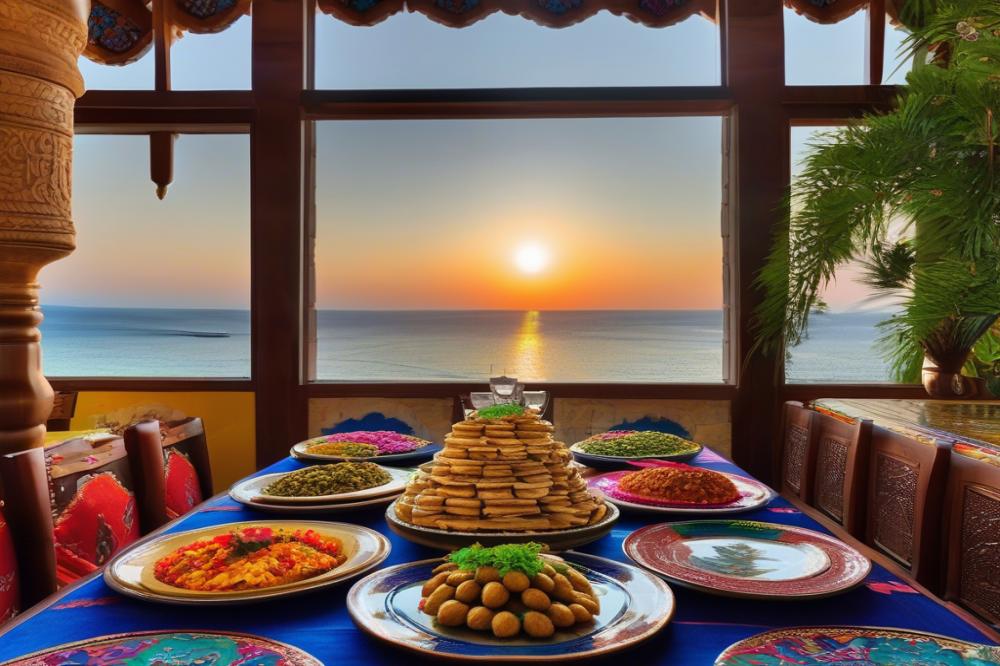
Turkish Cuisine represents a vibrant tapestry of flavors and traditions, making it a delightful aspect of any Turkey Island holiday. Its rich and varied food history showcases the influence of different cultures throughout the ages. Across the country, you can find an array of traditional dishes that reflect regional specialties unique to the various areas.
Experience the Mediterranean flavors that come alive in countless recipes, especially in coastal regions where the freshest local ingredients are readily available. Seafood recipes stand out, showcasing the bounty of the surrounding waters. In every meal, a harmony of tastes emerges, blending spices, herbs, and cooking techniques passed down through generations.
Meze, or small dishes, play a crucial role in Turkish dining. These appetizers highlight the diversity of ingredients and culinary methods. The Ottoman influence is evident, as historic recipes intertwine with local customs to create unforgettable meals. Each bite tells a story of cultural heritage, revealing the heart of a nation.
As travelers embark on their Island Culinary Journey, they discover how food connects people to the land and its history. Culinary adventures await at every turn, inviting exploration and delight. Turkish Cuisine is not merely sustenance; it’s an invitation to experience the soul of Turkey with each delicious offering.
Exploring traditional dishes
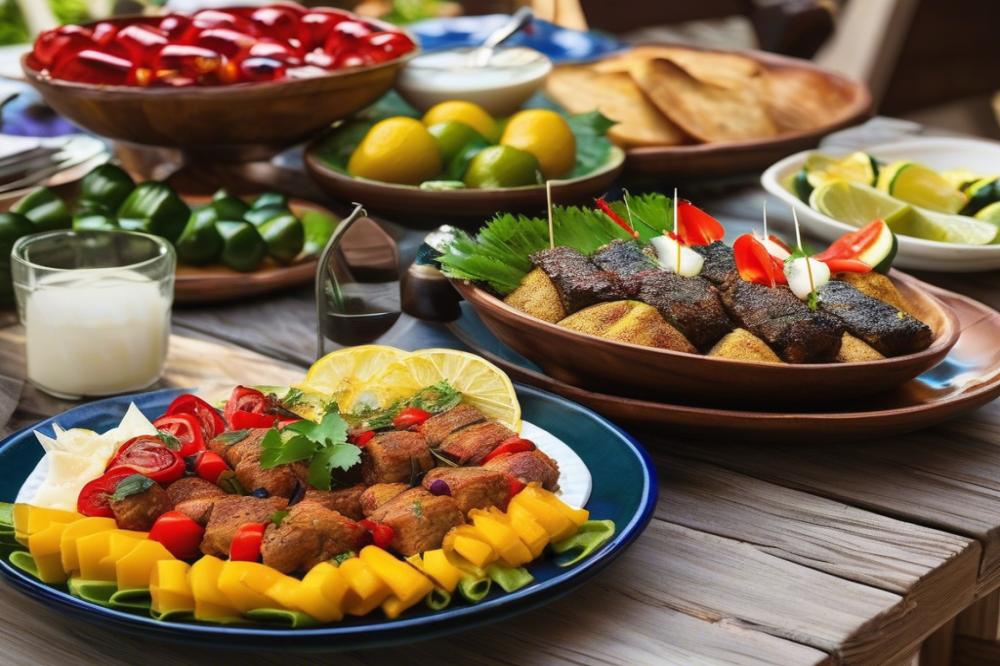
Turkish cuisine is rich and varied, showcasing a blend of flavors influenced by a long history and diverse cultures. One of the most emblematic dishes is kebab. Grilled meat, often marinated, is the cornerstone of many meals. Various regions create their own versions, highlighting local ingredients. The Adana kebab stands out with its spicy flavor, while the İskender kebab features layers of bread topped with lamb and yogurt.
Dolmas are another traditional delight. These stuffed grape leaves have a savory filling that may include rice, herbs, and minced meat. Often served as part of a meze platter, dolmas reflect Mediterranean flavors and the Ottoman influence on Turkish food history. They embody the creative use of local produce, showcasing how Turkish cooks maximize ingredients.
Baklava is perhaps the most famous dessert. Layers of flaky pastry filled with nuts and sweetened with syrup capture the essence of indulgence in Turkish sweets. This dish illustrates a culinary journey through time, where the Ottoman legacy plays a key role. With its rich history, baklava tells a story of cultural heritage and shared celebrations.
Seafood recipes also find their place in this culinary landscape. Coastal regions boast fresh fish and shellfish, prepared simply to highlight their natural flavors. Grilled fish, often served with lemon and herbs, is a common dish. Local specialties may vary, as each area showcases its unique catch and method of preparation.
Cooking techniques are essential to how these dishes are made. Methods passed down through generations help keep traditions alive. From grilling to slow cooking, every approach adds layers of flavor. Smoky notes from an open flame can transform the simplest ingredients into exquisite meals.
When dining in Turkey, meze is an essential experience. These small dishes, served as appetizers, invite diners to share and sample multiple flavors. Included are items like hummus, roasted vegetables, and olives. Each of these adds to the communal spirit of a meal, allowing everyone to taste a variety of dishes.
In summary, Turkish food offers a mosaic of tastes that reflects the country’s rich culture and history. Iconic dishes like kebabs, dolmas, and baklava not only delight the palate but also narrate stories of the land and its people. This culinary journey immerses travelers in the vibrant flavors that have evolved over centuries.
Mediterranean Flavors and Local Ingredients
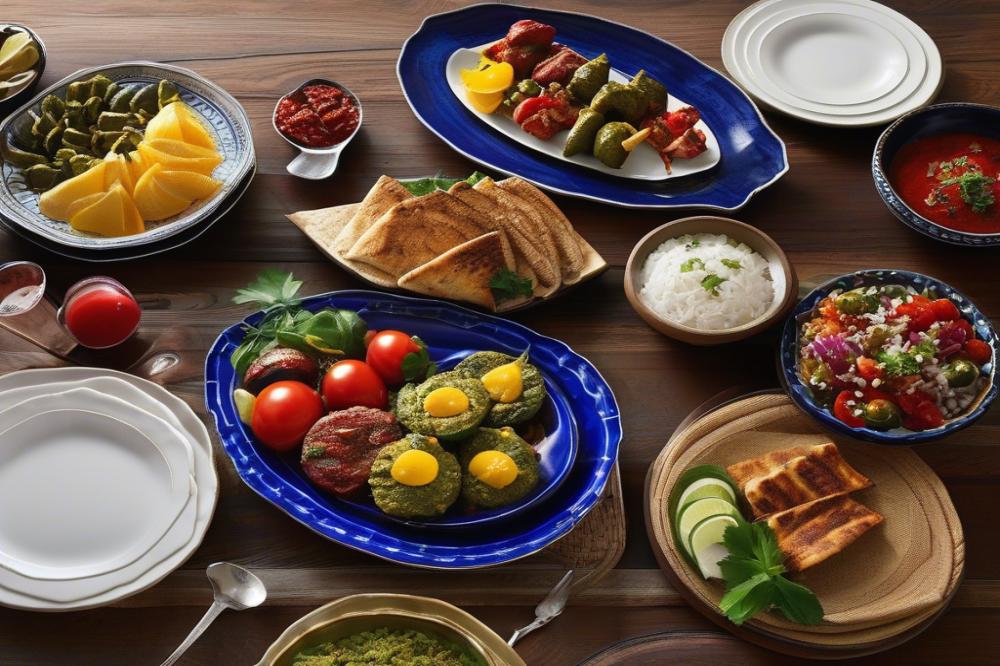
Turkey’s geography plays a crucial role in shaping its cuisine. Located at the crossroads of Europe and Asia, this country boasts a diverse range of ingredients. Fresh, local produce forms the backbone of many traditional dishes.
Olives and olive oil are staples here. They add a rich, distinctive flavor to meals. Citrus fruits also thrive in this sunny climate, lending brightness to recipes. Lemons and oranges enhance the taste of meze, a collection of small dishes often served as appetizers.
Herbs are essential in Turkish cooking. Parsley, mint, and dill are commonly used to season various dishes. Their vibrant and fresh taste captures the essence of Mediterranean flavors. Meals are often enriched with aromatic spices as well, reflecting the region’s food history.
Seafood recipes flourish along the coastal regions. Fresh fish, like sardines and sea bass, are popular choices. Grilling or baking these catches allows their flavors to shine. These cooking techniques embody a simple yet effective approach to preparing food.
Turkey’s cultural heritage influences every dish. The Ottoman influence is seen in the rich variety of flavors and cooking styles. Regional specialties vary significantly, showcasing local ingredients. For instance, in the Aegean region, you might find dishes heavy on vegetables, while in the south, spicy accompaniments are more common.
Traditional recipes reflect a history of collaboration among different cultures. Meals often tell stories of migration and adaptation. As a result, food becomes a way to connect with the past. Celebrating local ingredients helps maintain this connection.
Seafood Recipes
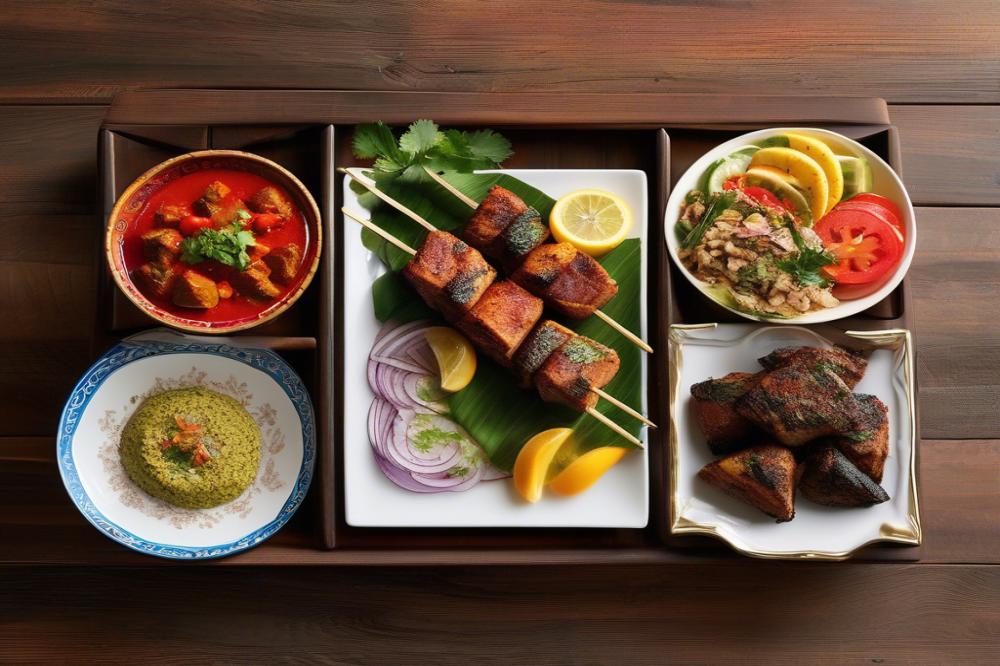
Coastal areas of Turkey showcase seafood as a vital component of the diet. Locals rely on the sea for fresh catches daily. Many restaurants and homes emphasize the importance of serving ocean-fresh fish and shellfish.
Traditional dishes vary from region to region. One popular option is grilled fish, often seasoned simply with olive oil, lemon, and herbs. This allows the natural flavors to shine through. Another favorite is “midye dolma,” which are stuffed mussels filled with rice, herbs, and spices. They are typically served as a meze, a delightful appetizer.
Mediterranean flavors play a significant role in these recipes. Seafood can be prepared in numerous ways, with grilling and baking being the most common cooking techniques. In towns near the coast, fishermen often sell their catch directly to locals. This ensures that the freshest ingredients get into the kitchens.
Local markets bustle with activity as chefs seek the best seafood. Octopus is another cherished dish. It is often marinated and grilled until tender. Many enjoy it with a drizzle of garlic sauce that enhances its taste.
Cultural heritage influences how seafood is appreciated in Turkish society. The Ottoman influence can be seen in recipes passed down through generations. For example, “hamsi,” or anchovies, are enjoyed fried, baked, or even in pilaf. These small fish are particularly celebrated in Black Sea cuisine.
Food history shows that seafood has been a staple for centuries. Regional specialties reflect what the sea offers. In the Aegean, seafood stews cooked with vegetables are common. These hearty meals are perfect for family gatherings.
Cooking techniques vary based on the season and the catch. In summer, outdoor grilling becomes a popular method. Families gather around, sharing plates and enjoying the vibrant flavors. Fish markets thrive, bolstered by the community’s love for fresh seafood.
In conclusion, seafood remains an integral part of the culinary landscape in Turkey. By using local ingredients and honoring traditions, chefs and home cooks alike create memorable dishes that reflect the essence of their surroundings.
Cultural Heritage and Food History
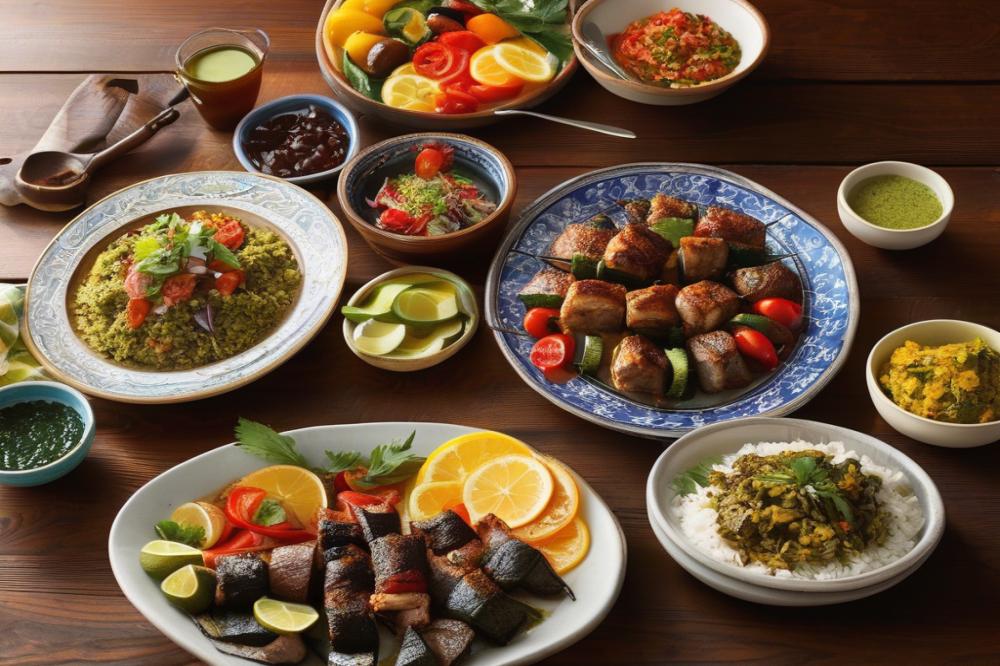
Turkish cuisine is a vibrant tapestry woven from centuries of history. The Ottoman Empire, which lasted for over six centuries, played a crucial role in shaping the culinary landscape of this region. Its influence extended beyond borders, bringing together flavors from Europe, Asia, and the Middle East. This blend is evident in many traditional dishes enjoyed today.
Cooking techniques passed down through generations reflect the rich cultural heritage. Methods such as slow-cooking, grilling, and steaming are commonly used. Each technique enhances the natural flavors of local ingredients. Fresh vegetables, aromatic spices, and seafood recipes highlight the diverse offerings of the Mediterranean.
The tradition of meze showcases small plates served as appetizers. This dining experience encourages sharing and conversation, revealing a sense of community and hospitality. Each region in Turkey boasts its own specialties, showcasing local customs and tastes. For example, coastal cities often feature seafood dishes that highlight the freshest catch of the day.
Many dishes underscore the Ottoman influence, with recipes that have been adapted over the years. Certain ingredients, like yogurt and eggplant, are cornerstones in many meals. Spices such as cumin and sumac add depth to flavors, while herbs like parsley give freshness. Food history reveals how these spices paved the way for a complex flavor profile found in regional specialties.
Street food also tells a story of cultural exchange. Vendors offer food that reflects the local community. People often enjoy kebabs, simit, or dolmas while on the go. Each bite is a piece of Turkey’s history, combining flavors from diverse regions.
Understanding this culinary journey allows for a deeper appreciation of every dish. The mixture of Mediterranean flavors and local ingredients continues to be celebrated today. Traditional Turkish cuisine remains a fascinating subject for both food lovers and history enthusiasts alike.
Regional Specialties and Meze
Turkey’s islands boast a variety of regional specialties that reflect the rich tapestry of its cultural heritage. Each island presents its own distinct flavors, often influenced by age-old recipes passed down through generations. For instance, Gökçeada, located in the Aegean Sea, is famous for its local cheeses and olive oil. The island’s traditional dishes highlight the importance of using local ingredients, which greatly enhances the overall taste.
Seafood recipes are prevalent along the coast. The abundant catch of the day often ends up as grilled fish or vibrant fish stews seasoned with Mediterranean flavors. Other islands, like Bozcaada, are known for their vineyards and wine production. Here, the use of local grapes produces unique wines that perfectly complement traditional meals.
One can’t talk about Turkish cuisine without mentioning meze. This concept encompasses a variety of small dishes served as appetizers. Meze plays a significant role in social dining, encouraging conversation and sharing among diners. These small plates can include everything from stuffed grape leaves to spiced hummus and feta cheese. Friends and family gather around a table, sampling various meze while enjoying their meals together. It brings people closer and reflects the communal spirit of dining.
Cooking techniques vary by region and often incorporate the Ottoman influence, merging elements from different cultures. From the simple method of grilling fresh seafood to the intricate process of preparing stuffed vegetables, the diversity is impressive. These methods not only preserve the food history of Turkey but also carry the flavors of the Mediterranean.
While each island offers its own unique specialties, the common thread is the emphasis on freshness and quality. Ingredients sourced directly from local markets and home gardens ensure that every dish is bursting with flavor. The experience of tasting meze is like taking a culinary journey around the islands, providing insight into the heart of Turkish culture.
Cooking Techniques and Ottoman Influence
Traditional cooking techniques are vital to the culinary landscape of Turkey. Many practices have been passed down through generations. Methods like slow-cooking and grilling come to mind immediately. These techniques enhance flavors and textures. They are essential in preparing many regional specialties. The use of clay pots and open fires is common in rural areas. Such methods help to infuse dishes with deep, rich tastes.
Moreover, seafood recipes are popular in coastal towns. Fresh fish often gets grilled or baked with herbs and spices. Local ingredients play a significant role in this cuisine. The Mediterranean flavors they provide are unmatched. Olives, tomatoes, and peppers add bright notes to many meals. When combined with delicate seafood, they create a delightful feast.
The influence of the Ottoman Empire on modern dishes cannot be overstated. That vast empire blended various culinary traditions. Ottoman kitchens were known for their creativity and variety. Dishes like kebabs and pilafs reflect this rich legacy. Ingredients from different regions created a mosaic of flavors. This diversity has shaped Turkish cuisine as we know it today.
The tradition of meze also stems from this historical fusion. Small plates of various appetizers encourage sharing and conversation. This reflects the social nature of Turkish dining. Guests often enjoy a range of tastes before the main course. This custom connects people to their cultural heritage and to each other.
Additionally, the Ottoman Empire emphasized the preparation of elaborate feasts. The techniques used for these grand meals still inspire cooks today. Hearty stews and fragrant rice dishes can be traced back to this era. Their recipes are adapted but still honor the original methods. The essence of that careful preparation continues in contemporary kitchens.
Food history in Turkey is layered and multifaceted. Each bite tells a story of tradition and change. While modern influences exist, the heart of the cuisine remains rooted in the past. The marriage of old techniques with new ideas creates a dynamic experience. Enthusiasts of traditional dishes find joy in both history and flavor.
Final Thoughts on Our Culinary Journey
Turkish cuisine reflects a deep and rich heritage that enhances any Island holiday experience. Visitors find themselves on a journey through time and taste. Exploring traditional dishes opens up a new world of Mediterranean flavors that are both vibrant and diverse. Every meal tells a story, weaving together regional ingredients and age-old techniques.
Sampling local foods becomes more than just dining; it represents a cultural immersion. Delicacies such as mezes, hearty stews, and fresh seafood showcase the bounty of the land and sea. These traditional dishes capture the essence of life on the islands, connecting travelers to the very heart of the community.
Understanding the significance of these culinary traditions fosters a deeper appreciation for cultural differences. Every bite provides insight into the history and customs that shaped these recipes. This connection between food and heritage can enhance the overall travel experience, making it meaningful and memorable.
Turkish cuisine is a testament to the creativity and resourcefulness of the people. Its flavors speak of the land, history, and the people who have come together to create these delightful meals. A culinary exploration reveals the island’s true soul, inviting visitors to connect with the vibrant heart of its culture.
