
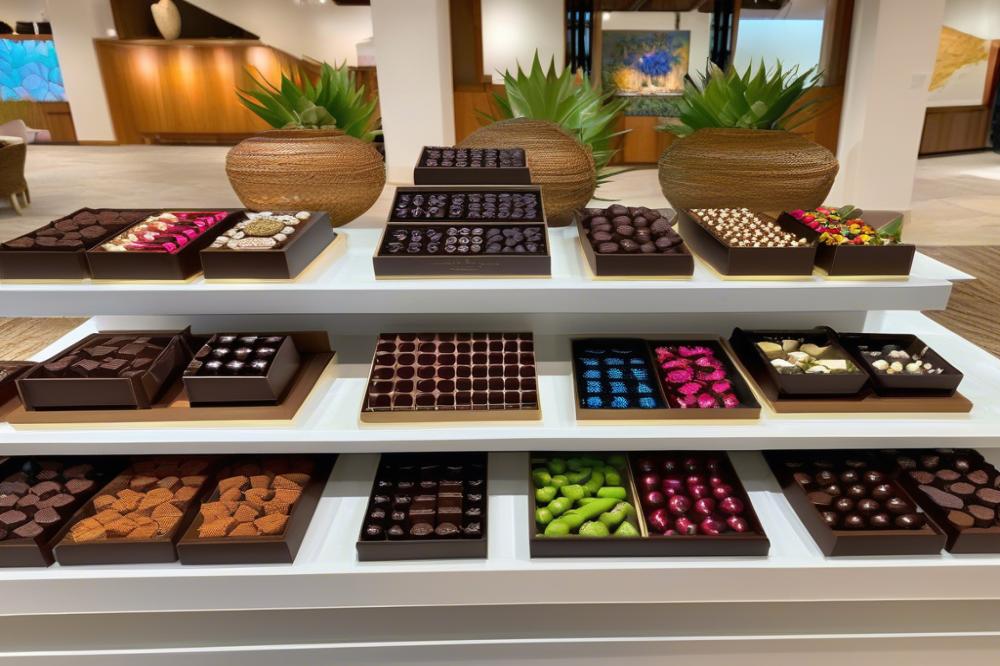
Exploring the Rich World of Hawaiian chocolate
Chocolate from Hawaii stands out in the global market. It offers a combination of lush landscapes and traditional craft. The islands’ unique environment creates ideal conditions for cacao farming. Farmers grow high-quality cacao beans that embody the rich flavors of the region. This local agricultural practice has deep roots and signifies a commitment to sustainable sourcing. The result is artisanal chocolate that reflects both the land and its culture.
Many people visit Hawaii seeking adventure and relaxation, yet Chocolate factory tours have become a popular attraction. Travelers eagerly explore how chocolate is made from bean to bar. Such tours provide insight into the fascinating chocolate-making process. Visitors not only learn about the cultivation of cacao but also witness how local ingredients transform into gourmet chocolate. The experiences include tasting sessions, where guests can savor a variety of flavors and rich textures.
One notable destination for these tours is the Original Hawaiian chocolate Factory. This establishment has made a name for itself, showcasing island-grown cacao. The factory emphasizes the importance of craftsmanship in chocolate production. Guests often leave in awe of the artistry involved in creating delicious products. It’s not just a treat; it’s a sensory adventure into cacao history and Hawaiian heritage.
The Journey of bean-to-bar
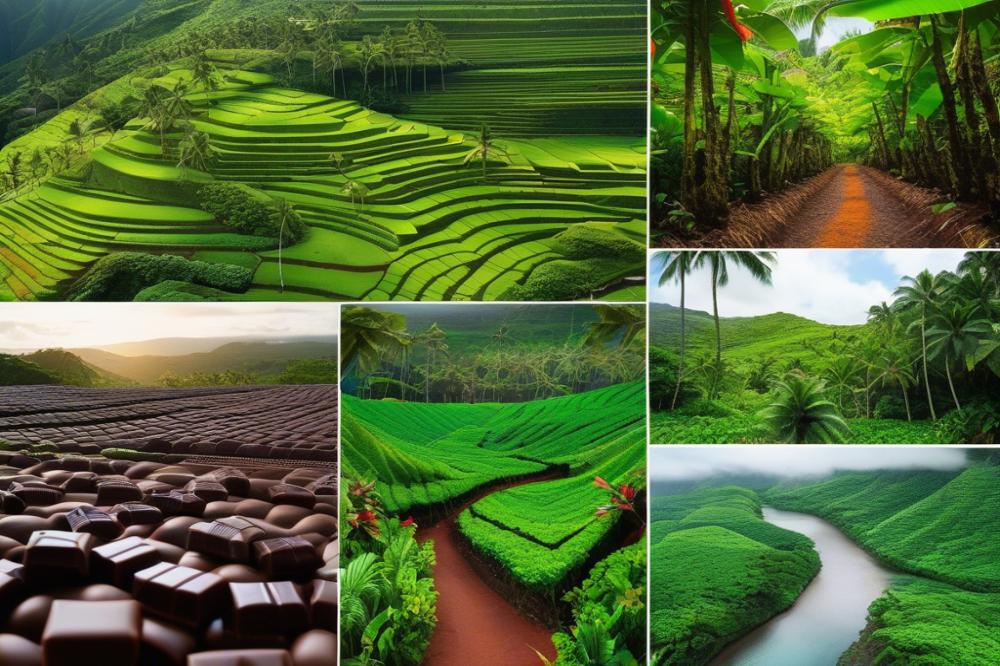
Understanding the bean-to-bar Process
Bean-to-bar is a term that describes the entire journey of chocolate. This journey starts with cacao beans and ends with delicious bars of chocolate. In Hawaii, this process embraces sustainable sourcing and local ingredients. Farmers work hard to cultivate high-quality cacao trees, ensuring the beans reflect the region’s unique climate and soil. Every step in this transforming process allows artisans to exercise their craftsmanship in creating gourmet chocolate.
Steps from Cacao Bean to Finished Chocolate
The first step involves harvesting the cacao pods. After cutting them open, workers carefully scoop out the beans, surrounded by a sweet pulp. These beans must ferment for several days, a crucial period that develops deeper flavors. Once fermentation is complete, they are dried under the sun. After drying, the beans move to roasting, where heat brings out their rich taste. Grinding follows roasting, turning the beans into chocolate liquor. This liquor can then be blended with sugar and other ingredients. Finally, tempering occurs, giving the chocolate a smooth finish. All these stages are essential for making exceptional chocolate.
Craftsmanship in Artisanal Chocolate
Artisanal chocolate-making is about attention to detail and passion. Craftsmanship shines in every piece created by skilled chocolatiers. Each batch reflects their knowledge of cacao history and the techniques passed down through generations. They take pride in using local ingredients, which help enhance flavors and provide a taste of Hawaii. Additionally, chocolate tasting is part of the journey, where connoisseurs appreciate the nuances in flavor. In the end, the blend of science and art results in exquisite chocolate that delights the senses.
Cacao Farming in Hawaii
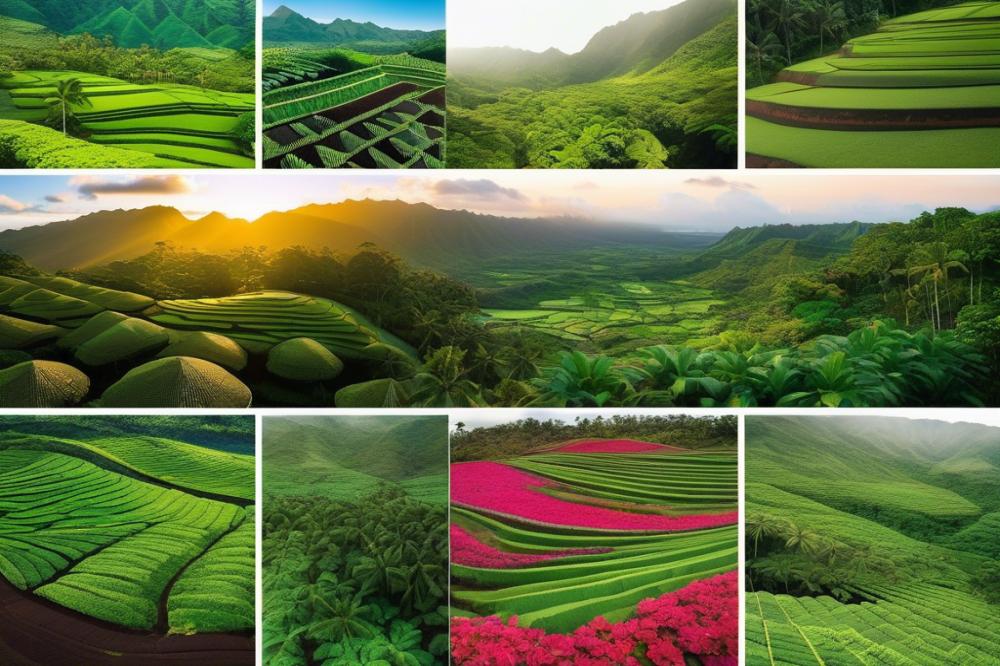
Cacao cultivation in Hawaii has a rich and diverse history. Farmers in the islands have been growing cacao for several decades. This crop thrives in Hawaii’s warm climate and rich volcanic soil. As a result, the state is becoming known for its artisanal chocolate.
Sustainable Farming Practices
Sustainable sourcing is a top priority for many farmers. They utilize methods that protect the land and promote biodiversity. Techniques such as intercropping help maintain healthy ecosystems. By planting cacao alongside other native plants, farmers enhance soil health. Additionally, organic practices limit chemical use, creating a safer environment.
Role of Local Farmers and Community
Local farmers play a pivotal role in the bean-to-bar movement. They work hard to supply high-quality cacao beans for chocolate making. Many artisans prefer to source local ingredients for their products. This commitment fosters a sense of community and supports the local economy. Many families have deep roots in cacao history, passed down through generations. Community members often participate in chocolate tasting events, showcasing their products.
Hawaii’s cacao farms are not just about production; they reflect a lifestyle and culture. Educating the public about cacao farming is a goal for many growers. Workshops and tours create engagement and promote appreciation for the craft. Consumers gain insight into how gourmet chocolate is created, from the farm to the final bar. Together, these efforts help preserve Hawaii’s unique agricultural landscape.
The Chocolate Making Process
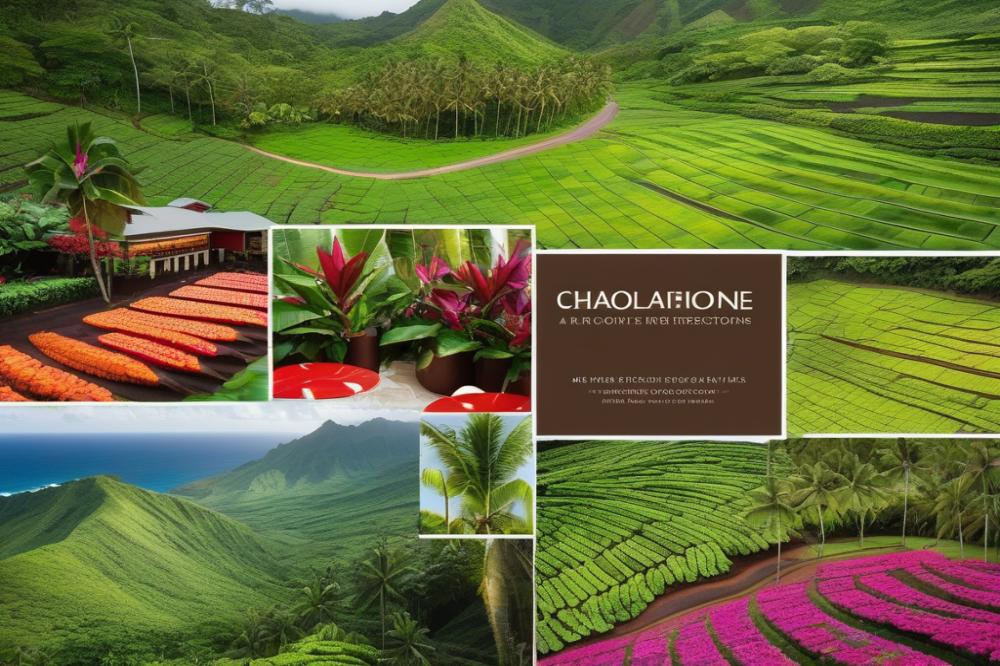
At the Original Hawaiian Chocolate factory, the chocolate making process begins with the careful selection of cacao beans. These beans come from local farms where sustainable sourcing is a priority. Farmers in Hawaii take great pride in their cacao farming practices, which influence the quality and taste of the chocolate.
Once harvested, the cacao pods are split open to reveal the beans inside. They are fermented for several days. Fermentation is crucial for developing the beans’ flavor profile. After this stage, the beans are dried under the sun. This natural drying method enhances the deep, rich flavors found in the finished product.
Next, the dried cacao beans undergo a method known as roasting. Roasting time and temperature are adjusted based on the desired flavor notes. Various batches may be roasted differently to create a distinct taste experience. The beans are then winnowed to separate the nibs from their shells, a step that requires both skill and precision.
Grinding the nibs is where the real magic happens. This process transforms them into a rich chocolate liquor. At this stage, additional local ingredients, such as sugar and vanilla, might be added. Each ingredient contributes to the overall flavor, making every bar truly special. Artisanal chocolate makers understand that a little change in proportions can result in a significant variation in taste.
Once mixed, the chocolate undergoes conching. This process smooths the texture and further develops the flavor. Conching can last several hours, sometimes even days, depending on the desired result. The careful attention during this phase is vital for crafting gourmet chocolate.
Finally, the liquid chocolate is tempered. This process ensures a glossy finish and a satisfying snap when it is bitten into. Afterward, the tempering chocolate is poured into molds. Patience is key at this point, as the chocolate must cool in the molds before it can be removed and packaged.
A chocolate tasting session at the factory allows visitors to appreciate the fruits of this labor. Each piece reveals a story rooted in the rich cacao history of Hawaii. Tasting different varieties enables people to discover their favorite flavors, showcasing the unique characteristics of local ingredients.
Chocolate Tasting Experience
The Original Hawaiian Chocolate Factory offers an exciting chocolate tasting event that delights the senses. Guests can explore the rich layers of flavor found in artisanal chocolate made right from locally sourced ingredients. Cacao farming is more than just a process here; it’s a celebration of Hawaii’s unique environment and history.
During the tasting, participants learn about the bean-to-bar chocolate making process. This involves everything from cultivating cacao trees to crafting gourmet chocolate bars. Each stage is explained, giving visitors insight into how much effort goes into creating high-quality chocolate.
Pairing with local Hawaiian products adds another level to the experience. Tasters can enjoy their chocolate alongside tropical fruits, macadamia nuts, and other regional delights. It’s a fusion that highlights Hawaii’s diverse culinary landscape.
Flavor profiles of Hawaiian chocolate often surprise first-time tasters. Many describe tasting hints of berries, tropical florals, and even subtle spices. These notes come from the unique terroir where the cacao is grown and the meticulous care taken during production.
In addition to enjoying the flavors, guests often reflect on the sustainable sourcing practices used by the factory. They learn how the company supports local farmers and ecological stewardship. This commitment to sustainability means chocolate lovers can enjoy their treats with a clear conscience, knowing they are supporting the land and its people.
Whether one is a chocolate connoisseur or just curious, the tasting experience at the Original Hawaiian Chocolate Factory is a must. Visitors leave not only with a greater appreciation for chocolate but also with stories to share about the remarkable journey from bean to bar.
The History of Cacao in Hawaii
Cacao cultivation in Hawaii began in the early 19th century. The tropical climate made the islands an ideal location for growing cacao trees. Early farmers saw potential in this crop, which had roots in Central and South America. They worked to cultivate it, believing that chocolate would be an intriguing addition to local agriculture.
Chocolate has held historical significance in Hawaiian culture. It served not only as a delightful treat but also as a symbol of prosperity. Early Hawaiian communities embraced the product, connecting it to rituals and gatherings. People would often share chocolate during celebrations, highlighting its importance beyond mere taste.
The chocolate making process has evolved significantly over the years. Initially, cacao was simply harvested and consumed in basic forms. With time, however, locals began experimenting with various techniques. This led to the rise of artisanal chocolate, where skillful craftsmen created gourmet chocolate bars. The bean-to-bar movement gained traction, showcasing a commitment to sustainable sourcing and local ingredients.
Today, cacao farming thrives on the islands. Farmers emphasize responsible practices that benefit both the environment and the community. The unique flavors produced by Hawaiian beans attract chocolate lovers from around the globe. Visitors can engage in chocolate tasting events, where they experience the depth of flavors that Hawaii’s cacao has to offer.
In recent decades, a greater appreciation for the craft has emerged. The industry continues to adapt, embracing modern techniques while honoring traditional methods. Each chocolate bar tells a story of its origins, reflecting Hawaii’s rich cacao history. This journey from bean to chocolate showcases a blend of culture, craftsmanship, and sustainability.
Sustainable Sourcing and Environmental Responsibility
The Original Hawaiian Chocolate Factory prides itself on its deep commitment to sustainable practices. Environmental responsibility plays a crucial role in every phase of their bean-to-bar process. This ensures that each bar of gourmet chocolate they produce reflects a dedication not only to flavor but also to the planet.
chocolate production can have significant ecological impacts. Traditional cacao farming often leads to deforestation, soil degradation, and loss of biodiversity. The Original Hawaiian Chocolate Factory actively addresses these issues through responsible sourcing of their ingredients. By supporting local farmers who use ethical methods, the factory helps to preserve Hawaii’s unique ecosystems.
Supporting local and sustainable products is vital for numerous reasons. Buying from local sources reduces carbon footprints by minimizing transportation. Additionally, it encourages the growth of Hawaii’s agricultural economy, promoting practices that protect the environment. The factory’s focus on sourcing local ingredients also fosters a sense of community and pride among residents.
The chocolate making process at the Original Hawaiian Chocolate Factory highlights the importance of sustainable sourcing. Each step, from planting cacao trees to the final chocolate tasting, reflects their values. By embracing ecological practices throughout production, they pay homage to the rich cacao history and the heritage of the land.
Cacao farming done responsibly can enhance soil health and increase biodiversity. As a part of their mission, the factory educates farmers on these practices, ensuring a sustainable future for cacao cultivation. This reflects their belief that responsible production can lead to sumptuous artisanal chocolate that delights consumers while protecting the earth.
Final Thoughts on the Sweet Journey
Recapping the experience at the Original Hawaiian Chocolate Factory reveals a rich tapestry of flavors and traditions. Visitors can witness the fascinating bean-to-bar process, which showcases how skilled artisans transform cacao into delightful chocolates. The factory stands out not just for its products, but also for its commitment to sustainable cacao farming. This dedication not only supports local farmers but also preserves the environment.
For anyone with a sweet tooth or a curiosity about chocolate, a visit to this factory is a must. Engaging with the production process adds a layer of appreciation for the craft of chocolate-making. After seeing how each piece is made, consumers will never look at chocolate the same way again. It’s more than just a treat; it’s an art form.
Chocolate factories offer much more than just delicious products. They invite travelers to explore local culture and craftsmanship, making each visit an unforgettable part of any trip. Therefore, consider adding a stop at the Original Hawaiian Chocolate Factory to your travel plans. Not only will you satisfy your cravings, but you’ll also gain insight into the world of chocolate that you may not have expected.
