
Saxa Rubra: Discovering Sicily‘s prehistoric Past
Saxa Rubra stands as a significant archaeological site on the island of Sicily. This remarkable location offers a glimpse into the prehistoric era that shaped the cultural heritage of the region. Ancient history enthusiasts are drawn to this site for its insights into the lives of early inhabitants.
Throughout the Mediterranean islands, few places rival the archaeological richness found here. The distinct rock formations create a fascinating backdrop for historical research. This setting has witnessed activities dating back to the Neolithic period, making it an essential part of understanding human development.
Tourists interested in ancient cultures will be captivated by the stories that lie beneath the surface. At Saxa Rubra, archaeology unfolds narratives that highlight the connection between people and their environments. Such experiences enhance Sicilian tourism, attracting visitors eager to explore the remnants of a bygone era. The site is not merely a collection of artifacts, but a window into the past, allowing visitors to envision life long ago.
Saxa Rubra: A Glance at Prehistoric Sicily
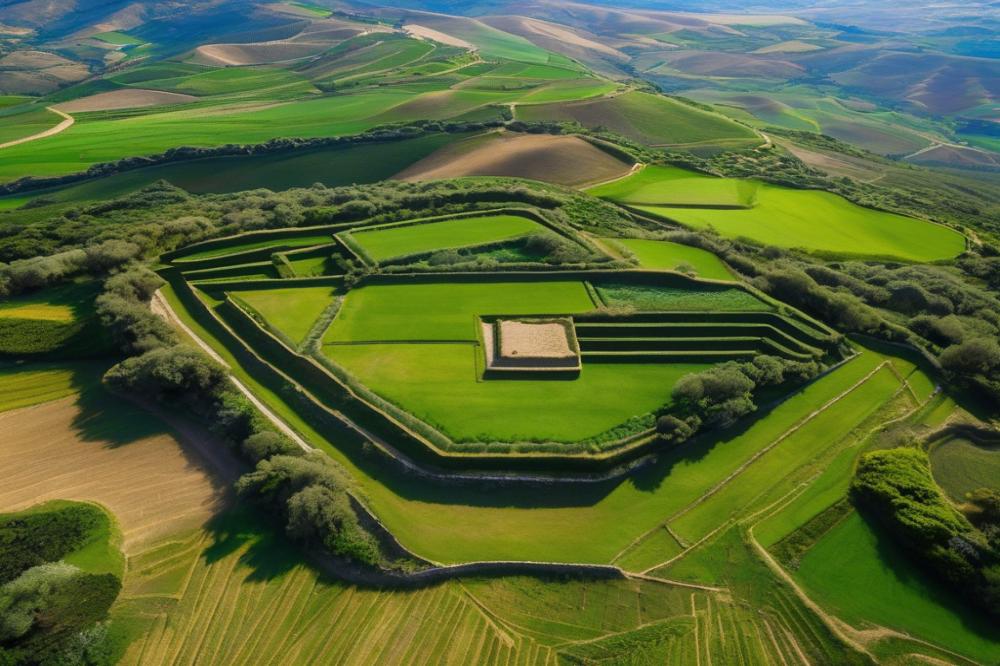
Nestled in the rugged terrain of Sicily, Saxa Rubra represents a captivating chapter in the region’s ancient history. Its location near the coast offers stunning views and a strategic vantage point. The geology of the site features dramatic rock formations, shaped by millennia of natural forces. These craggy structures provide not just a breathtaking landscape but also clues to the Earth’s past.
Archaeological evidence suggests that Neolithic settlements flourished in this area thousands of years ago. Early inhabitants utilized the natural resources around them for survival. They built shelters and crafted tools using local materials. Such findings reveal that Saxa Rubra was more than just a picturesque spot; it was a critical hub for prehistoric life. The remnants of ancient structures speak volumes about their daily activities and social structure.
Research in this archaeological site contributes significantly to our understanding of life during the Neolithic period. The findings highlight the development of early agricultural practices and community living. Each artifact discovered at Saxa Rubra adds depth to the narrative of Sicily’s cultural heritage. Historians and archaeologists alike consider this area vital for studying the lifestyle of those who lived on these Mediterranean islands.
The site’s importance extends beyond academic interest. It plays a crucial role in Sicilian tourism, drawing visitors eager to explore its rich history. Walking through Saxa Rubra offers a rare glimpse into humanity’s distant past. Many visitors leave with a greater appreciation for the resilience and ingenuity of ancient cultures. Historical research continues to uncover more secrets of this captivating site, enriching our connection to Sicily’s prehistoric past.
Archaeological Findings and Research
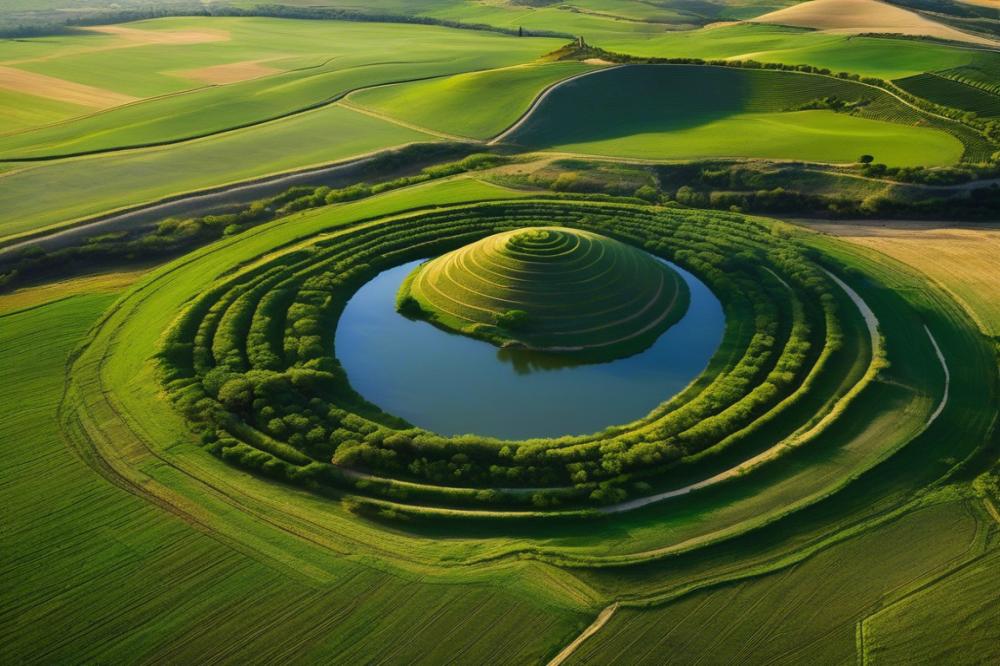
Exciting discoveries have emerged from the site in Sicily, shedding light on the region’s prehistoric past. Excavations at this notable location have revealed a treasure trove of artifacts, indicating a rich and varied history. Researchers have uncovered stone tools that date back to the Neolithic period, showcasing the skills of ancient peoples. These tools, crafted from local materials, depict the ingenuity needed for survival in a challenging environment.
Pottery fragments tell a story too, highlighting the artistic capabilities of these early inhabitants. The designs etched into the clay provide clues about their daily lives and customs. Some pieces bear intricate patterns, suggesting a sophisticated culture that valued both utility and aesthetics. These findings contribute significantly to our understanding of Sicilian cultural heritage.
Ongoing Research and Insights
Current studies focus on mapping the surrounding rock formations, which appear to have played a crucial role in the lives of those who lived here. Researchers are employing advanced techniques like ground-penetrating radar to uncover more secrets buried beneath the soil. Historical research continues to evolve as scientists analyze the geological context of the site. This meticulous work aims to piece together how these people interacted with their environment and each other.
Archaeological sites across the Mediterranean islands find parallels in the discoveries at this location. The ongoing work contributes to broader discussions within the field of archaeology, inviting tourists and scholars alike to explore the depths of ancient history. As visitors flock to this important site, they encounter the echoes of a time long gone, reflecting the enduring connection between Sicilian tourism and the preservation of history.
Cultural Heritage of Saxa Rubra
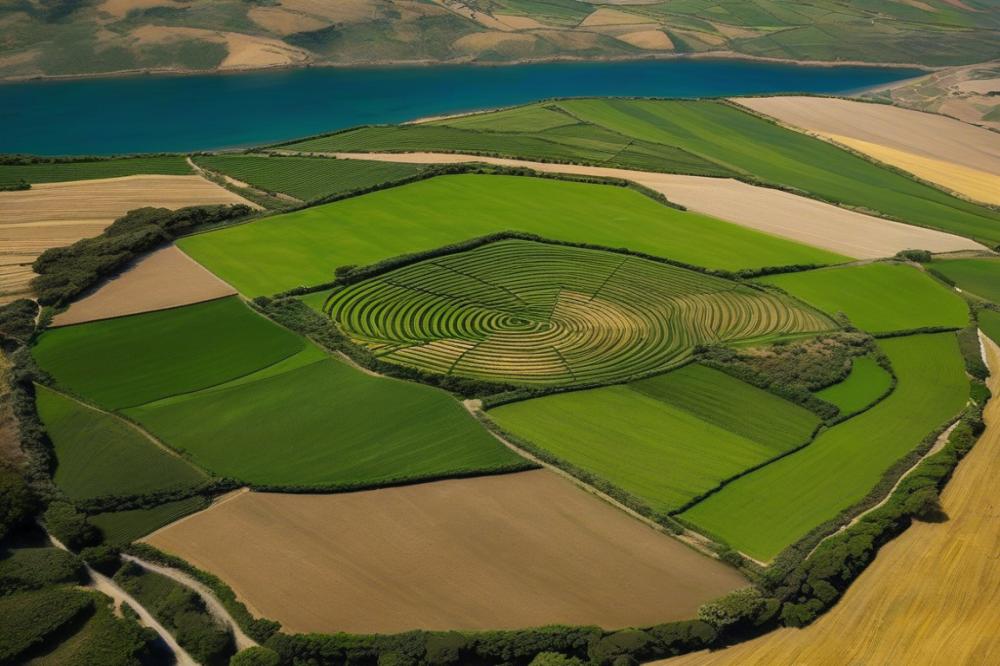
Saxa Rubra holds a vital place in the cultural heritage of Sicily. This region connects not just to local history, but also to wider Mediterranean narratives. It reveals how ancient history influenced modern life on the islands. The rock formations in the area tell stories of prehistoric people who once inhabited these lands.
Archaeology plays a key role in understanding this significance. Excavations have uncovered Neolithic sites, offering glimpses into daily life thousands of years ago. These archaeological findings are more than mere remnants; they are connections to a time long past. People who lived in this area developed skills and traditions that resonate even today.
The cultural practices from the Neolithic era exhibit a deep relationship with the environment. Artifacts found at sites help historians piece together the lives of these communities. Their knowledge of agriculture and craftsmanship is evident in the relics left behind. Such discoveries enhance our appreciation of Sicily’s diverse cultural landscape.
Saxa Rubra also serves as a link to broader Mediterranean history. Many cultures thrived in this region, sharing ideas and innovations. These interactions shaped various prehistoric cultures, creating a unique tapestry of human experience. This vibrant mix is important for understanding the past and enriching Sicilian tourism.
Historical research continually sheds light on the ancient traditions preserved here. In addition to the archaeological sites, local practices maintain a connection to this legacy. Festivals, crafts, and customs rooted in ancient times reflect the enduring impact of prehistoric knowledge. Thus, the area is not only a treasure trove for archaeologists but also a living testament to Sicilian identity.
The importance of Saxa Rubra is immense. It is a site that encourages exploration and learning. Visitors can engage with the stories of the past while appreciating the natural beauty surrounding them. This dual connection to history and nature enhances the visitor experience and invites deeper reflection on cultural heritage throughout the Mediterranean islands.
Visiting Saxa Rubra: Tips and Attractions
Planning a trip to Saxa Rubra? Start by choosing the best time to go. The ideal months are from spring through early autumn. During this period, the weather is pleasant, and the surrounding natural beauty is at its peak. Early mornings or late afternoons provide the most comfortable temperatures for exploration.
Accessibility plays a key role for many travelers. Public transport options are available, making the site reachable from nearby towns. Some paths may be uneven due to ancient rock formations. Comfortable shoes are recommended for walking around the area. Not every spot may be disability-friendly, so checking local guides may help.
Nearby Attractions
The region around Saxa Rubra features other exciting archaeological sites worth exploring. One such location is the ancient town of Morgantina, known for its well-preserved ruins. It tells a fascinating tale of the area’s ancient history. Visitors can engage with local museums showcasing artifacts from various prehistoric periods. Exploring these sites adds depth to one’s understanding of Sicily’s cultural heritage.
Outdoor activities complement the archaeological experience. Hiking trails around the cliffs offer remarkable views of the Mediterranean islands. These paths also lead to scenic spots that reveal the natural landscape’s beauty. Birdwatching opportunities abound, particularly during migration seasons.
Appreciating the Landscape
As you explore, think about the historical research connected to each artifact and site. This exploration serves to deepen one’s connection to the past. Understanding the struggles and triumphs of the people who lived here enriches the visit. Emphasizing this historical perspective can lead to a more rewarding journey through Sicilian tourism.
Sicilian Tourism and Prehistoric Sites
Sicily’s rich prehistoric sites play a vital role in attracting tourists to the region. Visitors often seek connections to the past, and archaeological wonders like Saxa Rubra fulfill that desire. These ancient spots provide insights into human history and the Neolithic way of life. Diverse rock formations offer a stunning backdrop, heightening the allure of these historical sites.
Trends in cultural heritage tourism across Mediterranean islands have grown significantly. Many travelers today prioritize experiences that connect them with ancient history. They want more than just beaches or nightlife. Tourists increasingly seek educational adventures that reveal secrets of our early ancestors. Sicily, with its diverse heritage, becomes a prime location for such exploration.
Sicilian tourism benefits greatly from the richness of archaeological sites. Each location has stories to share, enhancing the understanding of regional history. Travelers often leave these sites with a deeper appreciation for both the island’s past and its cultural legacy. The impact of historical research on site development cannot be overstated. Knowledgeable guides lead groups through the ruins, engaging visitors with fascinating narratives.
Exploring the prehistoric past encourages personal connections to history, paving the way for a memorable trip. Many tourists come to Sicily knowing little about its Neolithic inhabitants. They are often surprised to discover the sophisticated ways of life these early people had. As they walk among ancient stones, tourists can imagine the lives of those who came before us.
In addition, the preservation of these sites draws attention to the importance of protecting cultural heritage. Without proper stewardship, the stories embedded in these locations might fade. Awareness of their significance helps motivate efforts for conservation. Local communities often participate in the tourism experience by sharing knowledge and traditions. This partnership enhances the experience for both visitors and residents.
Ultimately, the fusion of cultural heritage and tourism provides a pathway to understanding Sicily’s complex history. Whether admiring rock formations or exploring ancient ruins, each moment spent at these sites contributes to a larger narrative. The connection forged between past and present allows tourists to appreciate the timelessness of human experience. As visitors venture through Sicily, they uncover layers of history that are both intriguing and enlightening.
Exploring the Significance of Saxa Rubra
Saxa Rubra plays an essential role in unraveling the prehistoric narratives of Sicily. The site’s remarkable artifacts and structures offer vivid insights into the lifestyles of early inhabitants. By studying such locations, researchers can better understand the cultural and technological advancements of ancient communities. This knowledge connects us to our past, emphasizing the importance of preserving such archaeological treasures.
Travel enthusiasts should definitely consider visiting this captivating site. Experiencing the remnants of a bygone era can be profoundly enriching. Walking among the ancient ruins allows visitors to imagine the lives of those who walked the land thousands of years ago. Exploring Saxa Rubra could transform your understanding of Sicily’s history, making your journey truly memorable.
Not only is such exploration enjoyable, but it also highlights the need for preservation. Safeguarding these historical sites is crucial for future generations. Protecting Sicily’s cultural heritage allows us to celebrate its diverse history and encourages a deeper appreciation for our collective past. In doing so, we ensure that these stories remain alive for years to come, sparking curiosity in countless visitors who seek to learn more.
