
Exploring the wildlife-Rich wetlands of the Ord River
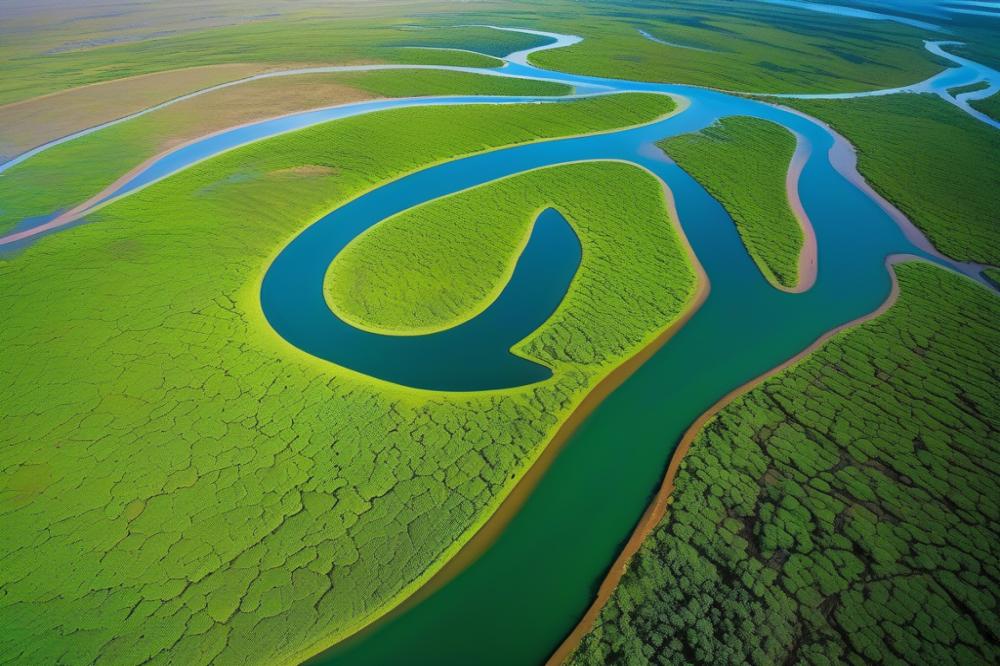
The Ord River is a vital system in Western Australia. It flows through stunning landscapes, offering a rich array of habitats. These ecosystems support a diverse range of wildlife. wetlands play a critical role in maintaining this biodiversity. They are not just home to various species; they also serve essential functions in our environment.
Birdwatching enthusiasts flock to the area, eager to spot native birds in their natural habitats. Nature photography thrives here due to the beautiful scenery and vibrant wildlife. In addition, freshwater habitats are crucial for many species, sustaining them through different life stages. Saltwater crocodiles, a notable inhabitant, add to the area’s allure and intrigue.
A focus on conservation is paramount. Protecting these wetlands helps preserve the delicate balance of ecology. Sustainable tourism presents an opportunity for locals and visitors. It can promote appreciation for nature while supporting wildlife preservation. This article aims to guide readers in discovering the unique wildlife of the Ord River and the importance of preserving these precious environments.
Ord River
Geographical features and location
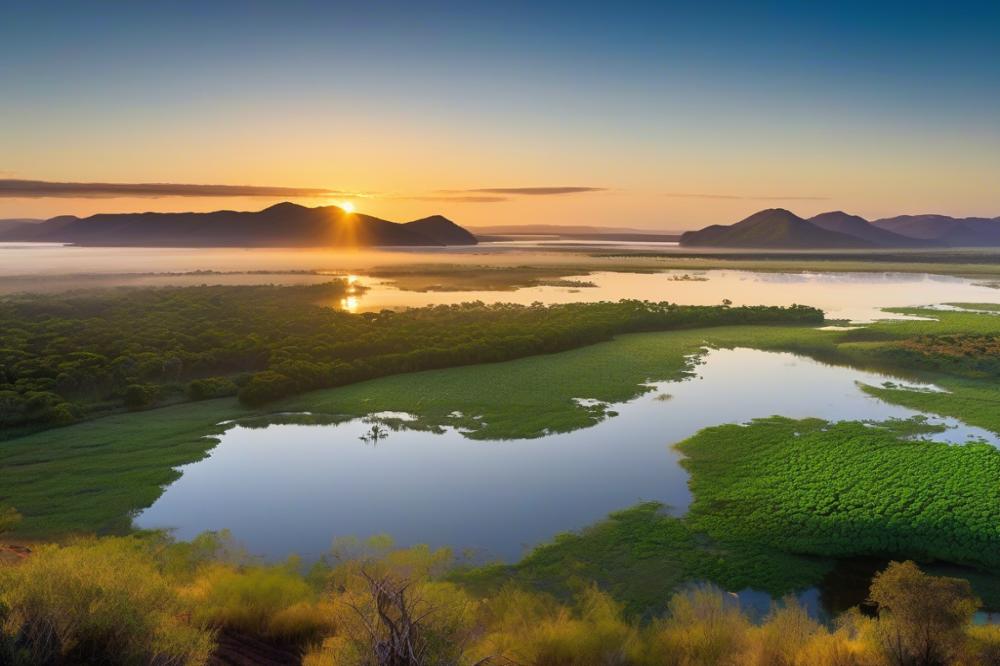
The Ord River flows through the gorgeous landscapes of Western Australia. Stretching over 320 kilometers, it weaves its way from the East Kimberley to Lake Argyle. The river forms a vital corridor in the region, surrounded by rich and diverse geography. Rippled water and lush vegetation create stunning visuals. Numerous smaller tributaries join along its path, enhancing the beauty of this natural wonder. This area is not only picturesque, but it also serves as a habitat for various species.
Overview of the Ord River ecosystem
The ecosystem here is truly remarkable. It teems with biodiversity, making it a hotspot for nature enthusiasts. Various freshwater habitats provide homes for countless plants and animals. Birds such as kingfishers and egrets thrive along the banks, captivating birdwatchers and photographers alike. Saltwater crocodiles inhabit these waters, reminding visitors of the area’s wild nature. Different species of fish, frogs, and invertebrates coexist, creating a complex web of life. Every element plays a role in maintaining ecological balance. The wetlands are critical in supporting this vibrant community.
Impact of the river on local wildlife
Wildlife flourishes due to the river’s nurturing presence. Its flowing waters create ideal breeding grounds for many aquatic species. This environment acts as a sanctuary for animals that rely on water both for sustenance and reproduction. Stable water levels help sustain freshwater habitats, providing essential resources. The rich plant life along the shores also supports various species, ensuring their survival. Visitors are often struck by the sheer abundance of life around the river. Furthermore, awareness of sustainable tourism here encourages visitors to appreciate and protect this precious ecosystem. Conservation efforts are vital, as they help safeguard the unique wildlife found in these wetlands.
Wildlife and Biodiversity
Diverse ecosystems within the wetlands
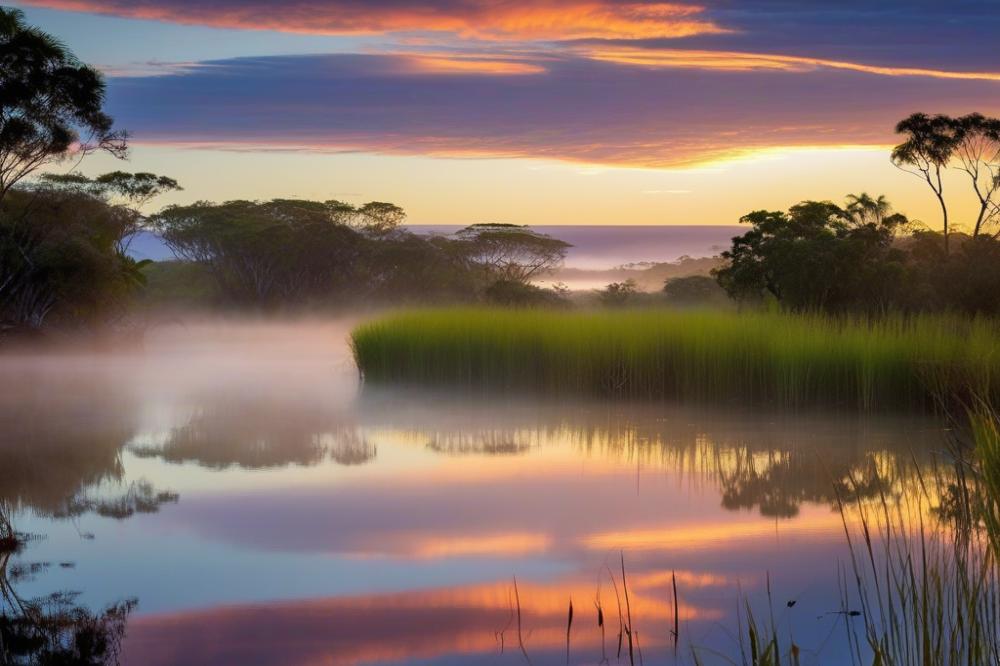
The wetlands surrounding the Ord River host an array of ecosystems. These areas include freshwater habitats, marshlands, and riparian zones. Each ecosystem contributes to the region’s rich biodiversity. With a myriad of plant and animal species, the wetlands support life in remarkable ways. The intricate web of life found here serves as a reminder of nature’s complexity. From vibrant vegetation to teeming microorganisms, every facet plays a role. Birdwatching becomes a rewarding activity when exploring these breathtaking environments. Observing the delicate balance of life enriches our understanding of ecology.
Key species thriving in the Ord River region
Many notable species call this area home. Endangered wildlife like the black-necked stork can often be seen gracefully wading through the shallows. Additionally, large populations of water birds contribute to the overall richness of the wetlands. Fish like barramundi flourish in the waterways, appealing to local anglers and nature photographers alike. Frogs and other amphibians add to the diverse chorus of sounds heard at dusk. Here, every species plays a role in maintaining the health of the ecosystem. Protecting these key species is vital for future generations to enjoy.
Interest in saltwater crocodiles and other fauna
Of particular interest are saltwater crocodiles, the apex predators of these wetlands. They embody both awe and fear for visitors and locals. Respecting their presence is crucial for safety and conservation. Observing these reptiles can be fascinating, especially during guided tours. Other fauna, such as kangaroos and wallabies, also thrives in this rich environment. Each animal, no matter how small or large, adds to the ecological tapestry. Sustainable tourism initiatives focus on promoting awareness and respect for these creatures. Preserving their habitats benefits both wildlife and visitors who seek to connect with nature. Enjoying these wetlands not only enhances our appreciation for biodiversity but also emphasizes the importance of conservation efforts.
Birdwatching and Nature Photography
Ideal Locations for Birdwatching Enthusiasts
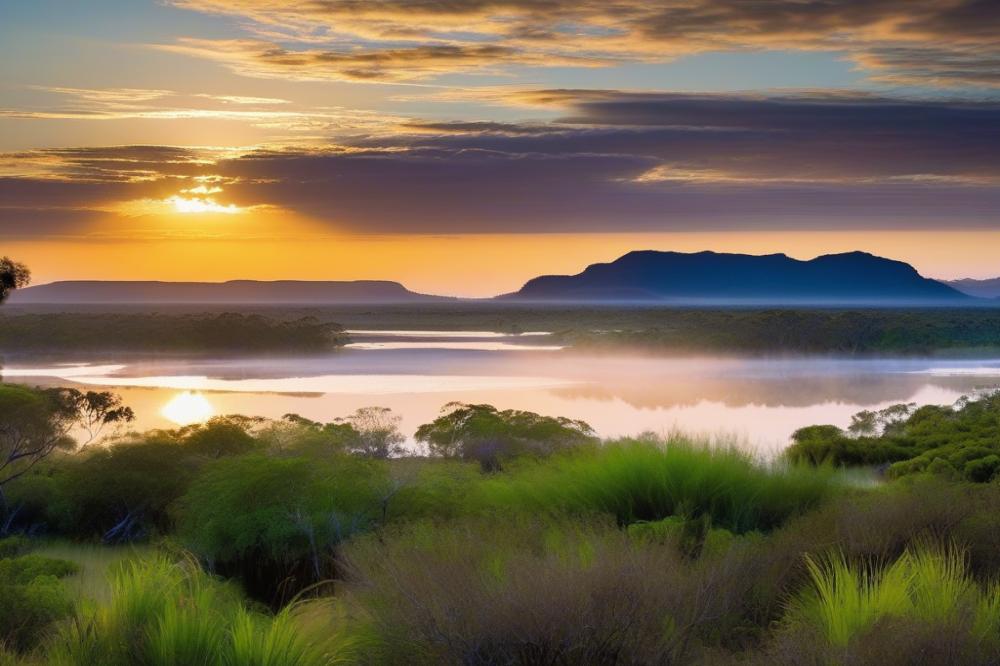
The wetlands surrounding the Ord River are a paradise for birdwatchers. Many hidden spots allow for peaceful bird observation. The banks of the river often teem with activity, with lush vegetation providing shelter for a variety of species. From the early morning hours to late afternoon, birdwatching can be an enriching experience here. Visiting the various freshwater habitats increases your chances of spotting different birds. The best places to start are near the water’s edge and in marshy areas where the birds come to feed.
Notable Bird Species Found in the Area
This region is home to an impressive array of birdlife. You might encounter species such as the vibrant Jabiru, the elegant Great Egret, and the striking Brolga. These birds contribute to the rich biodiversity of the area, showcasing the importance of healthy ecosystems. Many migratory birds also pass through, making it a rare opportunity for observation. Look closely, and you might spot the elusive Kingfisher hunting from a branch or a flock of Black Swans gliding across the water.
Tips for Capturing Stunning Nature Photographs
Nature photography in this wildlife-rich area can lead to breathtaking shots. Start with a good camera and an understanding of lighting. Early morning or late afternoon provides ideal natural light, enhancing colors and details. Be patient and quiet; often, the best moments occur when you least expect them. Using a zoom lens can help you capture distant birds while minimizing disruption. Lastly, consider the rules of sustainable tourism. Respect the wildlife and keep your distance to avoid stressing animals in their natural habitats. Follow these tips, and you’ll create timeless images that reflect the beauty and ecology of the wetlands.
Freshwater Habitats and Their Importance
Freshwater habitats serve as vital components of our ecosystem. They support diverse wildlife, providing homes for various species, from fish to birds. These environments help maintain healthy biodiversity, which is essential for ecological balance. Wetlands, like those near the Ord River, play a significant role in regulating water quality. Their unique ability to filter pollutants ensures clean water flows into larger bodies of water, benefiting all forms of life.
However, freshwater habitats face many challenges today. Pollution from agriculture and urban areas threatens the delicate ecology. Invasive species disrupt food webs and outcompete native organisms. Additionally, climate change alters water levels and temperatures, placing more stress on resident species. Saltwater crocodiles, for instance, have moved into areas where they may not traditionally thrive, impacting native fauna.
Conservation efforts are critical for protecting these environments. Local organizations and communities work tirelessly to restore and maintain wetlands. Initiatives can range from clean-up drives to educational programs that promote sustainable tourism. Ecotourism, including nature photography and birdwatching, raises awareness of these habitats’ significance. Protecting freshwater ecosystems benefits not just the animals but also future generations of wildlife enthusiasts.
By supporting conservation, everyone can contribute to a healthier planet. Choosing to engage in responsible travel and promote wildlife protection are steps we can embrace. Stronger laws and community involvement can help safeguard these essential areas. Commitment to preserving our wetlands will enhance biodiversity and the quality of life for both humans and wildlife.
Sustainable Tourism and Conservation Efforts
Overview of Sustainable Tourism Practices in the Region
The wetlands near the Ord River boast incredible biodiversity. Tourists are drawn to its captivating ecosystems, making sustainable tourism essential. Visitors can explore these areas while minimizing their impact on wildlife. Guided tours often emphasize conservation, sharing insights about local flora and fauna. Nature photography is encouraged but with a focus on respecting wildlife habitats. This balance helps preserve the delicate ecosystems, where saltwater crocodiles and countless bird species thrive.
Partnerships Between Local Communities and Conservation Groups
Collaboration strengthens conservation efforts. Local communities often work hand in hand with conservation organizations to protect their natural surroundings. These partnerships lead to initiatives that promote responsible tourism. Community-led projects can include educational programs that highlight the importance of maintaining habitats. Together, they celebrate the rich ecology and engage visitors in their efforts. When the locals and conservationists join forces, they can achieve more for the wetlands and their wildlife.
How Tourists Can Contribute to Wildlife Protection
Tourists play a vital role in conservation efforts. Simple actions can make a big difference in preserving wildlife. Practicing leave-no-trace principles while visiting these beautiful wetlands is crucial. Respecting wildlife by keeping a safe distance allows animals to maintain their natural behaviors. Birdwatching is a rewarding activity that promotes awareness about local species. Travelers can also participate in conservation volunteering programs, giving back to the very environment they enjoy. Every small step taken by visitors can help maintain the fragile balance of this unique ecosystem.
Final Thoughts on the Ord River Wetlands
The wetlands along the Ord River are vital to our planet’s health. They support a stunning range of wildlife and help maintain biodiversity in the region. Every visit to this rich ecosystem offers a glimpse into a world teeming with life. From colorful birds to unique plant species, the beauty of these wetlands cannot be overstated. This environment is not just a destination; it is a treasure that deserves protection.
adventure travelers have the chance to make a difference. Exploring these wetlands should come with a sense of responsibility. By respecting the natural habitat, we can minimize our impact and contribute to conservation efforts. Choosing eco-friendly tours and following park guidelines ensures that future generations can enjoy the same wonders. Travelers can embrace the thrill of adventure while still caring for the earth.
The challenge lies in balancing exploration with preservation. Every step taken through these wetlands should be measured. Consider the potential effects on the flora and fauna. adventure travel can open eyes, but it should never compromise the environment. We must remember that our actions today will shape the future of this precious ecosystem.
As you plan your journey, think about how you can be part of the solution. Engage with local conservation programs, support wildlife rehabilitation efforts, and promote sustainability. Your journey can unite adventure and responsibility. In doing so, you help secure a future where these wetlands thrive, filled with life and beauty for all to experience.
