
Exploring the Magical mosaics in the Church of San Cataldo
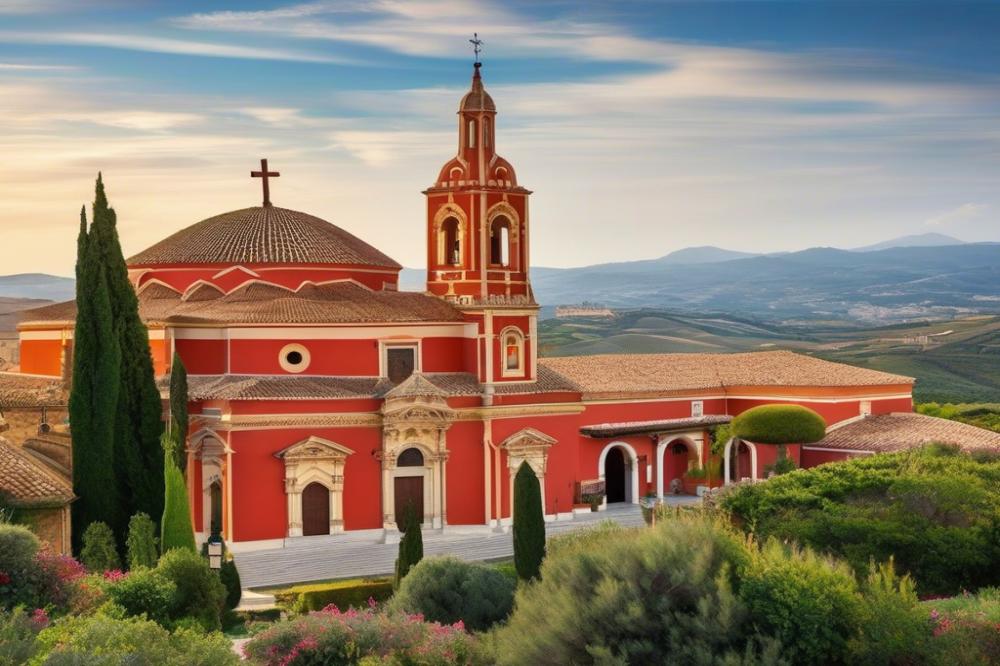
The Church of San Cataldo stands as a remarkable historical landmark in the heart of Palermo, Sicily. This ancient structure captivates many visitors with its unique blend of Byzantine art and medieval architecture. Built in the 12th century, this church is a testament to a rich artistic legacy that reflects a pivotal moment in Sicily‘s history. Many travelers and art enthusiasts find themselves drawn to its striking design and intricate details.
Within the walls of this church lies a treasure trove of mosaics that tell stories of faith and artistry. The use of color and form in these mosaics is not just visually stunning; it also carries deep religious symbolism. Each tile contributes to a larger narrative, evoking themes of spirituality and cultural heritage. This artistic method speaks volumes about the period’s craftsmanship and theological significance.
Moreover, the Church of San Cataldo offers a profound visitor experience. Stepping inside, one can feel the weight of history and the artistic brilliance that has endured through centuries. As we delve into the enchanting mosaics found here, this article will explore their impact on art history and their role in preserving Sicily’s cultural identity. The richness of these artworks invites exploration and reflection, making them an essential study for anyone interested in the intersection of art and history.
Historical Background of the Church of San Cataldo
Construction of the Church of San Cataldo began in the 12th century, reflecting the intricate blend of cultures in Palermo, Sicily. This historical landmark showcases the remarkable influences of Islamic, Byzantine, and Norman styles. As medieval architecture evolved, the church became a significant representation of these artistic transitions. Visitors are often captivated by its simplicity and elegance.
The church is distinguished by its three red domes and essential geometric shapes, which are common in Arab-Norman architecture. Each dome serves as a reminder of the rich heritage that characterizes this site. The use of the mosaic technique within the church highlights the religious symbolism found throughout its interior. These mosaics portray various biblical scenes and saints, enriching the understanding of art history during this period.
In 2015, the Church of San Cataldo achieved recognition as a UNESCO World Heritage site. This designation emphasized its importance not just to Palermo but to Sicilian cultural heritage as a whole. The church stands alongside other historic sites, such as the Palatine Chapel, showcasing the beauty of the region’s architectural triumphs.
Visitors exploring this sacred space can appreciate the calm atmosphere that surrounds it. The blend of culture and history offers an enriching experience. Understanding the significance of this church provides insight into the medieval period and the artistry that flourished under the Normans. Each element within the structure invites reflection, making it a meaningful stop for those interested in architectural marvels.
The Mosaic Technique and Artistic Details
The Church of San Cataldo in Palermo, Sicily, showcases a remarkable mosaic technique that dates back to the medieval period. Artisans employed small pieces of colored glass, stone, and gold to create vibrant images. This method, known for its meticulous craftsmanship, allows light to dance across the surfaces, offering an ever-changing view as visitors move through the space. Each tessera, or tile, was carefully set to form larger images, creating a feeling of depth and richness.
Materials were chosen with great care. Glass of differing hues was often cut and shaped by skilled hands. In addition, natural stones provided texture and solidity. The use of gold leaf in these mosaics adds a touch of luxury and divine light, emphasizing the religious symbolism that permeates the artwork. Such choices reflect the techniques developed in the Byzantine art tradition, ensuring a strong connection to the broader narrative of art history.
When exploring the artistic details, one cannot overlook the use of color. Vivid reds, deep blues, and brilliant greens cover the mosaics, enhancing the spiritual atmosphere within the church. Patterns echo those seen in Byzantine designs, featuring intricate geometric shapes alongside figures of saints and biblical scenes. This blend of imagery captivates the viewer, inviting reflection on the sacred nature of the space.
Another significant aspect of the mosaics is their storytelling ability. Each scene weaves a narrative thread, linking the divine to the everyday lives of the faithful. This approach reflects the medieval architecture’s purpose, serving both as a religious structure and a space of community gathering. Artisans infused each corner with details that resonate with the audience, making the viewer experience profoundly personal.
The harmony between the artistic elements and architectural form allows visitors to appreciate the craftsmanship involved. Mosaic work, influenced by centuries of tradition, leads to a greater understanding of cultural heritage in Sicily. Observing the interplay of light and color enhances the experience, making history come alive. The Church of San Cataldo stands as a historical landmark, representing not just a place of worship but also a celebration of art and faith.
Religious Symbolism and Themes in the Mosaics
The mosaics of the Church of San Cataldo are a fascinating glimpse into medieval spirituality. Visitors encounter vibrant scenes filled with deep religious symbolism. Each tile contributes to a larger narrative that emphasizes faith and divine presence. The artwork reflects the Byzantine style, showcasing the connection between art and religion in Palermo, Sicily.
Mosaic technique was more than just an art form; it served as a visual language. Artists depicted key biblical figures, making the stories accessible to all believers. This was especially important in a time when literacy was not widespread. Through intricate designs, the church communicates themes of hope and redemption.
In these depictions, the viewer is invited into a dialogue with the divine. Imagery of Christ often dominates, representing the ultimate source of salvation. Saints appear alongside Him, reminding worshippers of their role as intercessors. The colors used in the mosaics evoke a spiritual atmosphere that is both uplifting and profound.
Understanding these themes provides insight into the historical context of the era. The mosaics reflect cultural values of devotion and reverence during a time of great change. Art history shows how communities expressed their beliefs through creativity. These pieces reveal the importance placed on divine representation in daily life.
For anyone exploring this historical landmark, the experience is transformative. Not just a display of craftsmanship, it reveals how art can shape faith. Observing these mosaics allows one to appreciate the dedication of the artists. Their work continues to inspire awe and reflection in modern visitors.
Visitor Experience and Practical Information
When planning a visit to the Church of San Cataldo in Palermo, Sicily, it’s essential to know its opening hours. Generally, the church opens its doors from 9:00 AM to 1:00 PM and then again from 4:00 PM to 7:00 PM. However, it is wise to check online for any changes or holiday schedules before your visit. Guided tours are available, giving visitors a deeper understanding of the mosaics and medieval architecture.
Experts often lead these tours. They discuss the historical significance and the intricate details found in the stunning Byzantine art and its religious symbolism. This adds a layer of appreciation that can be missed without guidance.
Nearby, you can find other historical landmarks that are worth exploring. The Palatine Chapel and the Cathedral of Palermo are both within walking distance. They offer more insights into the vibrant art history of the region. Each location has its own charm and significance, making it easy to spend an entire day discovering the cultural heritage of the area.
To fully appreciate the magical mosaics, take your time. Look closely at the colors and the craftsmanship. Each piece tells a story that reflects the values and beliefs of its time. Understanding the mosaic technique can enrich your experience. Noticing the imagery and themes used in these artworks reveals how religious narratives were communicated to the faithful.
Finally, be mindful of the environment. Respect the tranquility of the space as you soak in the beauty around you. Engage with the art, and allow yourself to be transported back to a time when this landmark was a focal point of spiritual life. Each visit is an opportunity to connect with history in a profound way.
Discovering a Jewel of Sicily
The Church of San Cataldo stands as a testament to Sicily’s rich cultural tapestry. Its stunning mosaics represent a blend of artistic heritage, reflecting influences from various eras. Visitors can find themselves mesmerized by the intricate designs and vibrant colors that adorn the walls. These artworks are not just decorations; they tell stories of faith, history, and the passage of time.
In the heart of Palermo, this landmark invites travelers to explore more than just the surface beauty. Each mosaic invites reflection and appreciation for the craftsmanship involved. As the light dances across the tiles, it creates a magical atmosphere that resonates deeply with both locals and visitors alike.
Including this site in your travel plans will enrich your experience of Sicily. The church offers a moment to pause and appreciate the spiritual and artistic legacy of the region. Prepare to be inspired as you step into a space where history and creativity converge. An exploration of the Church of San Cataldo is a journey into the soul of Sicilian heritage, making it an unmissable stop for anyone venturing into Palermo.
