
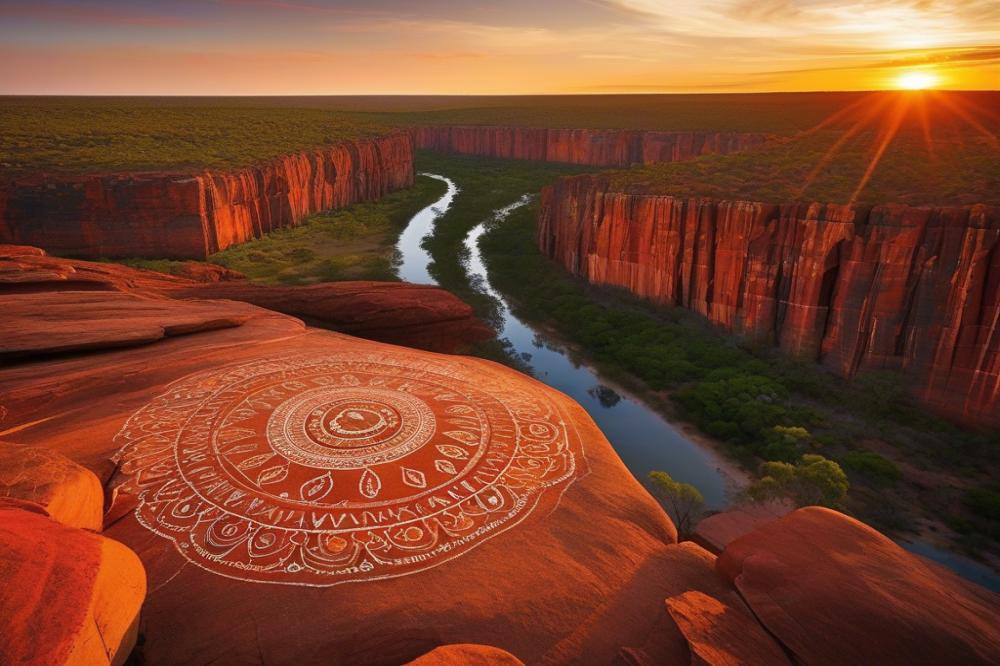
Exploring the ancient Aboriginal Rock Art of the Kimberley
Aboriginal Rock Art in the Kimberley region of Australia represents an extraordinary window into the past. This ancient artistry embodies the cultural heritage of Indigenous peoples, showcasing their profound connection to the land and its stories. Each petroglyph and rock engraving tells a narrative, providing insights into traditions, beliefs, and the vibrant life that flourished long before modern times.
Traveling to this remote part of the world offers adventure seekers an experience unlike any other. The rugged landscapes and breathtaking vistas become a backdrop to the mesmerizing cave paintings that dot the cliffs and rock faces. Engaging with these artworks allows visitors to witness firsthand the remarkable creativity and resilience of Indigenous cultures.
These creations are not mere decorations; they hold immense historical significance. Each brushstroke or carving carries the weight of ancestral knowledge and wisdom. Storytelling continues through the timely preservation of these artworks, reminding us of narratives that shaped generations. Visiting these sites provides a moving experience, as travelers explore the depths of Aboriginal culture and learn about the custodianship of the land.
The Kimberley region invites you to embark on both a visual and spiritual journey. Encountering ancient Indigenous art offers a profound understanding of humanity’s roots. By stepping into this sacred space, you become part of a long lineage of appreciation for the stories etched in stone.
Understanding Aboriginal Rock Art
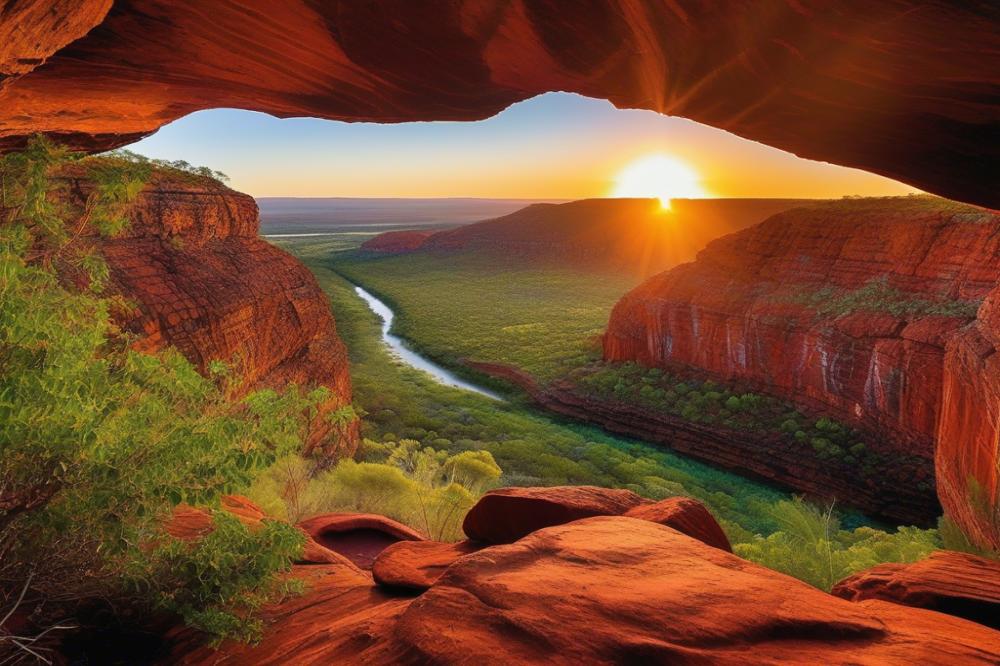
Aboriginal Rock Art is a window into the lives and beliefs of Indigenous people in Australia. This form of ancient expression holds deep cultural heritage and significance. Through these artworks, we gain insights into traditions that date back thousands of years.
Different types exist, including petroglyphs and cave paintings. Petroglyphs are rock engravings that often depict animals and human figures. These images tell stories that contributed to the spiritual life of the communities. Cave paintings, on the other hand, showcase vibrant colors and dynamic scenes. They capture moments of everyday life and significant cultural events.
Understanding these artworks is essential for appreciating their historical significance. Each piece reveals distinct aspects of Indigenous lifestyles, including hunting techniques and social structures. Stories of creation and the Dreamtime are interwoven into the art, reflecting a rich tapestry of beliefs and traditions. In many cases, these artworks serve as a form of storytelling passed down through generations.
Today, the preservation of this art is paramount. As weathering and modern activities threaten these sites, efforts are being made to protect them. By safeguarding Aboriginal Rock Art, we honor not only the artists but also the historical narratives that shaped Indigenous culture. This connection to the past is vital for future generations.
Engaging with this unique form of Indigenous art opens our eyes to a world that may feel distant. The legacy of these artworks encourages us to respect and learn from the wisdom contained within them. Each image, whether etched into stone or painted on a cave wall, holds stories and is a testament to resilience and identity for Indigenous people.
The Kimberley Region: A Treasure Trove of Indigenous Art
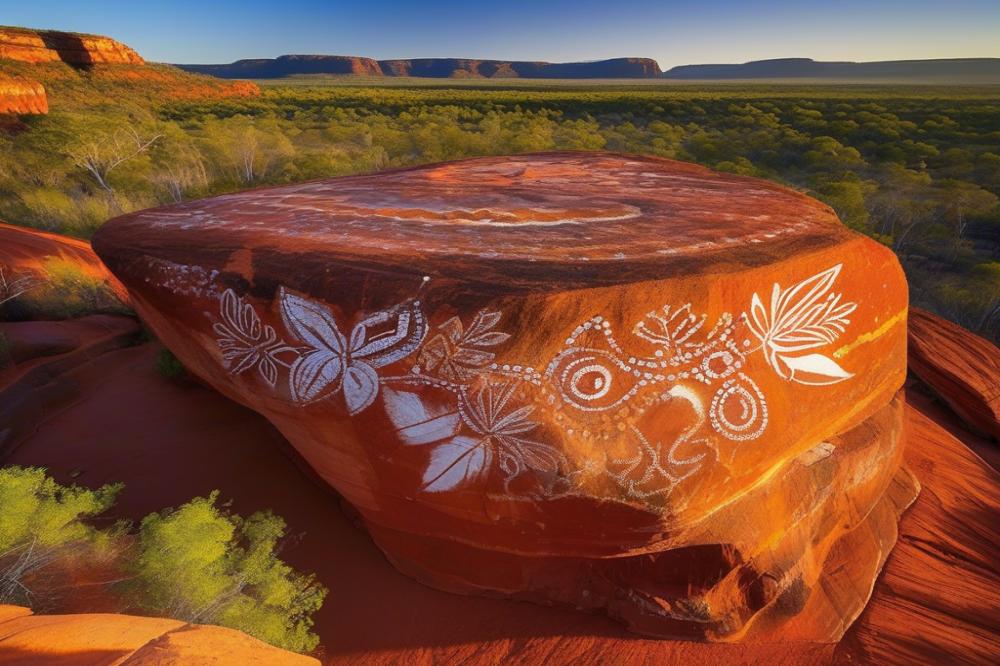
The Kimberley region in Australia stands as a remarkable landscape. This area is famous for its rugged beauty and stunning diversity. Majestic cliffs and ancient gorges abound, creating a backdrop that has inspired generations. Cultural heritage runs deep, revealing stories told through time. Across this vast region, Indigenous art opens a window into rich traditions and spiritual beliefs.
Key locations often capture attention with their vibrant rock art. The Wandjina figures are particularly notable. These ancestral beings claimed a place in the skies and have appeared across many rock faces. The Gwion Gwion paintings offer another incredible glimpse. These petroglyphs showcase intricate designs and lively figures, dating back thousands of years. Both types of art represent only a fraction of what the Kimberley has to offer.
Styles vary widely across different sites, showcasing the creativity of Indigenous artists. Bright ochres and natural pigments bring color to life, while detailed cave paintings allow for unique storytelling. Rock engravings can be found alongside paintings, revealing a variety of techniques. Some artists used fine lines, while others favored bold strokes. Each mark holds significance, creating a dialogue between the past and present.
Preservation of these artworks is crucial for future generations. Efforts to safeguard this heritage highlight its historical significance. Communities advocate for awareness and respect, ensuring the stories continue to resonate. By exploring the Kimberley, visitors not only appreciate beauty but also engage with Indigenous culture. Here, art is more than decoration; it’s a vital thread woven into the fabric of life.
Preservation Efforts and Challenges
The preservation of ancient Aboriginal rock art faces many difficulties. Natural weathering is one major obstacle. Rain, wind, and sunlight can erode these precious petroglyphs over time. Additionally, human activities such as tourism, mining, and industrial development threaten the integrity of these sites. Disturbance from visitors can lead to unintentional damage. Both cultural and historical significance must be acknowledged to understand their value.
Current conservation efforts are crucial in protecting these treasures. Organizations, along with the government, are working hard to create protective measures. This includes developing guidelines for visitors to minimize their impact. Education programs help raise awareness about the importance of these sites. Engaging the public can foster respect for these extraordinary pieces of Indigenous art.
Local communities play an essential role in safeguarding cultural heritage. Elders and cultural leaders often share their knowledge and stories. Their firsthand understanding of these rock engravings offers invaluable insights. Collaboration between Indigenous groups and conservationists enhances preservation efforts. Together, they ensure that future generations can connect with this storytelling tradition.
Efforts continue to adapt to new challenges. As climate change impacts weather patterns, the urgency to protect these sites increases. Scientists and archaeologists work together to monitor and assess the condition of cave paintings and engravings. The balance between tourism and conservation remains delicate. Ethical tourism can encourage visitors to appreciate the art without causing harm.
Overall, the preservation of Aboriginal rock art is a shared responsibility. Protecting this cultural treasure not only offers a glimpse into Australia’s past but also enriches present and future generations. Collaboration and awareness can help maintain the legacy of these magnificent art forms for years to come.
Experiencing Rock Art: adventure travel Opportunities
The Kimberley region is a paradise for adventure seekers. Here, travelers can explore some of Australia’s most significant Indigenous art sites. Guided tours provide a fantastic way to witness the beauty and history of these ancient rock engravings. Experienced guides offer valuable insights into the cultural heritage of the area, sharing stories that connect visitors to the land and its people.
For those who prefer independence, self-driven explorations can be just as rewarding. Renting a 4WD vehicle allows you to traverse rugged landscapes and reach secluded spots filled with cave paintings and petroglyphs. However, prepare for your journey carefully. Roads may be rough, and some areas are remote. Before heading out, check local conditions and get a map to navigate effectively.
Best Times to Visit
The ideal time to venture into the Kimberley is during the dry season, which spans from May to September. Daytime temperatures are pleasant, and the weather is generally stable. Rain can make some roads impassable, so planning your trip around this season helps you enjoy the area fully.
Safety Tips
Safety should always come first. Carry enough water and food for your trip. Mobile reception can be limited in some regions, so having a reliable GPS and a physical map is advisable. When you visit Indigenous sites, walking respectfully and staying on marked paths is crucial. Many rock art sites are delicate and should be preserved for future generations.
Cultural Etiquette
Visitors must always respect cultural heritage when exploring the Kimberley. Contact local Indigenous groups to learn about specific customs. Always ask for permission before taking photos of sacred sites. Be aware that some artworks hold deep spiritual meaning. Engaging with local stories will enhance your experience and foster connection.
Sample Itineraries and Activities
Consider an itinerary that includes a mix of guided and self-drive options. Start your adventure in Broome, then travel to the Bungle Bungles. Enjoy guided walks to view stunning rock art, and catch glimpses of the incredible landscape. Similarly, visiting Tunnel Creek is a must. It features impressive cave paintings and fascinating stories.
Another idea is to join a boat cruise through the Horizontal Falls. Not only is the scenery breathtaking, but you can also learn about the area’s history. Look for organized tours that include Indigenous storytelling sessions; these experiences enrich your appreciation of the ancient cultures that shaped this land.
Connecting with the history of this place makes every adventure special. Each encounter with rock engravings tells a part of the story of those who came before. This connection remains vital in preserving the significance of the artwork, reminding us of the rich cultural tapestry woven throughout Australia’s past.
The Connection to Indigenous Culture Today
The ancient rock engravings of the Kimberley region are not just relics of the past. They continue to play a vital role in shaping modern Indigenous art and culture. Contemporary artists often draw inspiration from the petroglyphs and cave paintings, finding new ways to express their identity through storytelling. This ongoing connection shows how cultural heritage remains alive and relevant today.
Many Indigenous creators embrace their roots while infusing modern themes into their work. By doing so, they highlight the historical significance of the ancient art forms. Using natural materials and traditional techniques, artists create pieces that echo the messages of their ancestors. The vibrant colors and intricate designs reflect a deep respect for the land and its history.
Storytelling is at the heart of Aboriginal culture. It serves as a bridge between generations. Through art, both traditional and modern, stories are shared, preserving knowledge about ancestors, nature, and community values. Such narratives strengthen connections within families and promote understanding amongst wider audiences.
Education is crucial in fostering appreciation for Indigenous art. Schools and community programs often highlight the rich history behind these rock engravings. Workshops led by Indigenous artists help participants learn about cultural practices. This form of learning promotes respect and awareness, allowing others to understand the significance of what they see. It is a path toward healing and reconciliation.
In Australia, the preservation of this art is paramount. Government initiatives and conservation efforts aim to protect these sites for future generations. Safeguarding these treasures allows Indigenous voices to be heard long into the future. Recognition of the value of rock art enriches not only Indigenous culture but also teaches all Australians about their shared history.
Embracing the Legacy of Ancient Art
Exploring the ancient artworks of the Kimberley offers insight into Australia’s rich cultural heritage. Each drawing tells a story, connecting us to the traditions and beliefs of Aboriginal people. When we engage with these fascinating sites, we deepen our understanding of a history that spans thousands of years.
Respect is crucial when visiting these remarkable places. It’s essential to follow local guidelines and honor the wishes of Indigenous custodians. These artworks are not mere decorations; they are sacred expressions of community and identity. By appreciating them responsibly, we help protect their legacy for future explorers.
Preservation is key for future generations. As we learn more about these treasures, we must also consider how to leave them intact. Future visitors deserve the chance to connect with the past in meaningful ways. Let’s commit ourselves to safeguarding these unique cultural expressions.
Together, we can foster a greater respect for the rich tapestry of Aboriginal history. Advocacy for these sites inspires us to be better stewards of our shared cultural heritage. Each visit is an opportunity to reflect, learn, and grow, ensuring that the stories behind these ancient symbols live on.
