
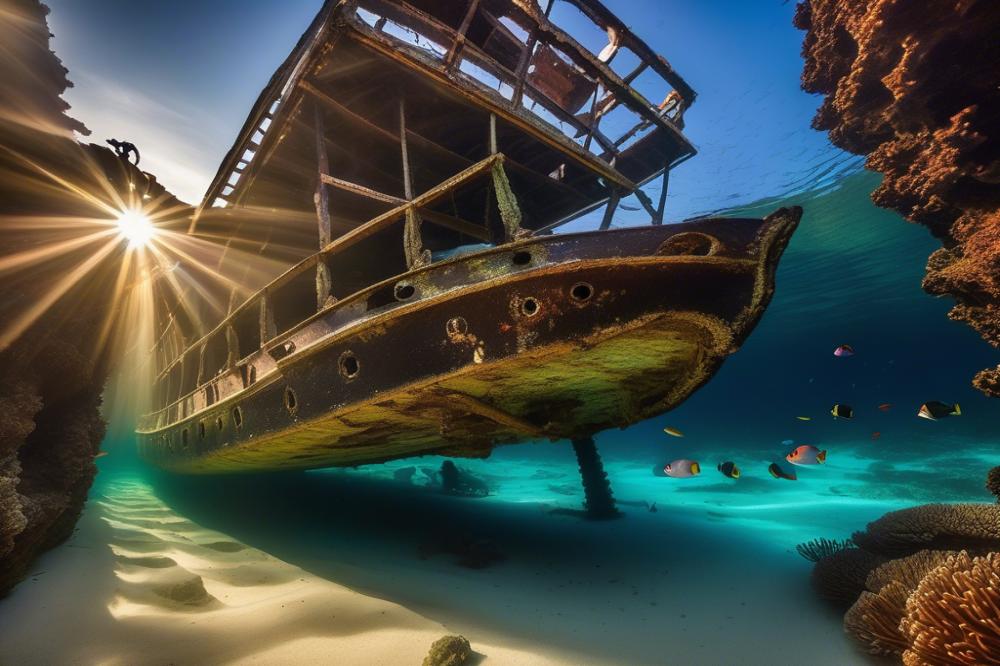
Exploring adventure travel in Western Australia
adventure travel in Western Australia (WA) offers thrill-seekers excitement like no other. From soaring tumbling cliffs to the azure depths of the sea, this region invites exploration at every corner. One of the most mesmerizing aspects of this journey is found beneath the waves—the thrill of diving into a world that holds countless tales of the past.
Underwater exploration reveals a treasure trove of maritime history. historic shipwrecks, remnants of once-mighty vessels, are now resting places for stories and artifacts long forgotten. These sites serve as underwater museums, offering divers a rare glimpse into the era of exploration and trade. As you descend into the depths, you become part of the narrative that has unfolded over centuries.
Wreck diving not only satisfies a desire for adventure but also enhances eco-tourism in the region. These sites attract visitors who respect the ocean and understand the importance of ocean conservation. Exploring these sunken vessels allows divers to witness marine life thriving in an untouched environment. Colorful fish dart through the coral growth on the wreckage, and kelp sways gently in the currents. Each dive presents a new chance to encounter diverse ecosystems teeming with life, showcasing the beauty of the WA coastline.
This combination of history and adventure makes for unforgettable nautical exploration. Treasure hunting becomes more than just searching for gold when you discover the artifacts and natural beauty surrounding each wreck. Witnessing the fusion of marine life and history creates a unique diving experience. Those looking for a blend of excitement and learning will find plenty to enjoy in this underwater realm.
For anyone considering this adventure, there’s no time like the present. Plan your journey along the vibrant shores of Western Australia, where the land meets the sea, and history meets adrenaline!
historic shipwrecks Along the WA coastline
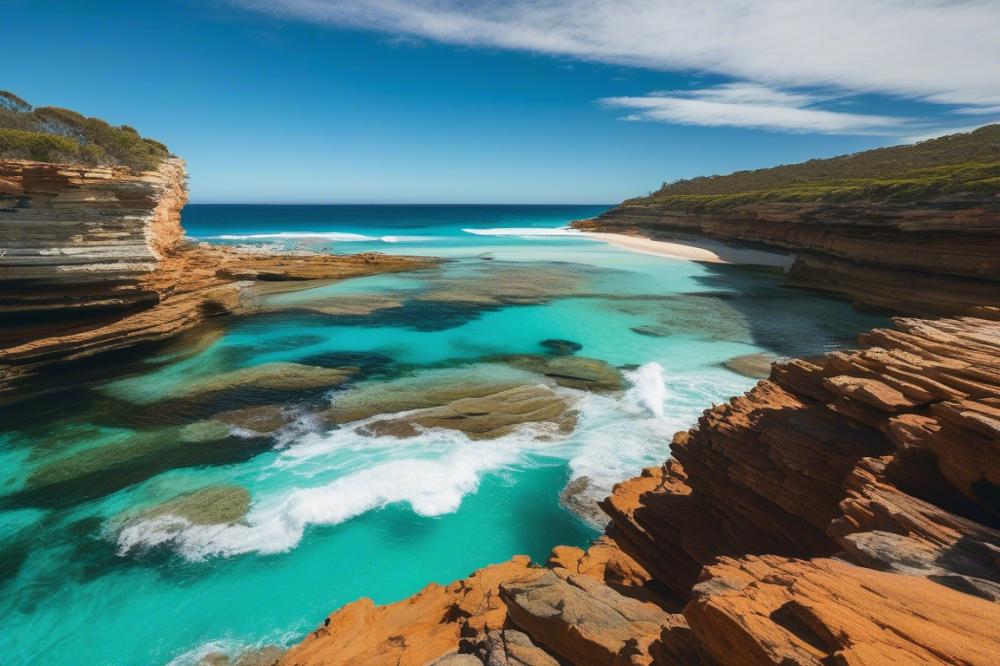
Washington’s coastline is a treasure trove of historic shipwrecks, each with its own tale to tell. These submerged remnants are not just fascinating to look at; they play a significant role in our maritime history. They illustrate the challenges faced by early explorers and the vital routes taken during trade. From storms to navigational errors, the stories behind these wrecks are filled with adventure and tragedy.
Significant Shipwrecks and Their Historical Context
Among the notable wrecks, the Batavia stands out. This Dutch East India Company ship sank in 1629 near Australia’s Abrolhos Islands after a mutiny and harsh weather. The crew faced dire circumstances, and many perished. Another prominent wreck is the Zuytdorp, which met a similar fate just a few years later. This vessel, lost in 1712, highlights the perils of sea travel in the early 18th century.
Both of these ships represent a time of exploration and expansion. They show how the ocean was both a pathway and a barrier for those who dared to navigate it. Understanding these events brings depth to our appreciation of the maritime history that shaped trade and culture in the Pacific Northwest.
Notable Wrecks for Divers: Batavia, Zuytdorp, and Others
Diving enthusiasts are drawn to these historic sites for their beauty and intrigue. Wreck diving offers a unique opportunity to witness marine life, as these ships have become artificial reefs. Coral can flourish, and fish find refuge among the remains. In places like the Batavia, divers can see relics and artifacts that tell stories of a distant past.
Other wrecks such as the Oil Rig off the coast and the Titanic of the West also beckon adventurous spirits. Whether participants are treasure hunting or simply enjoying underwater exploration, each dive presents an opportunity for discovery. Shipwreck diving not only satisfies the thrill-seeker but also fosters an appreciation for ocean conservation.
The Role of Shipwrecks in Maritime History and Exploration
Shipwrecks serve as chapters in the larger narrative of human exploration. These vessels remind us of our ambitious attempts to traverse the unexplored and the risks involved. They connect the modern world to centuries past, highlighting the evolution of seafaring technology and navigation techniques. Each wreck tells not just a story of loss, but also of resilience and the human spirit.
Exploring these historic sites encourages respect for the ocean’s bounty. As divers engage with the remnants of these ships, they participate in a nautical adventure that enhances their understanding of history. Learning about the conditions that led to these disasters can foster a desire to preserve marine environments for future generations.
In summation, Washington’s coastal wrecks encapsulate a narrative of exploration, tragedy, and triumph. They remain vital to understanding our maritime heritage and the role it plays in modern society.
Diving Experience and underwater exploration
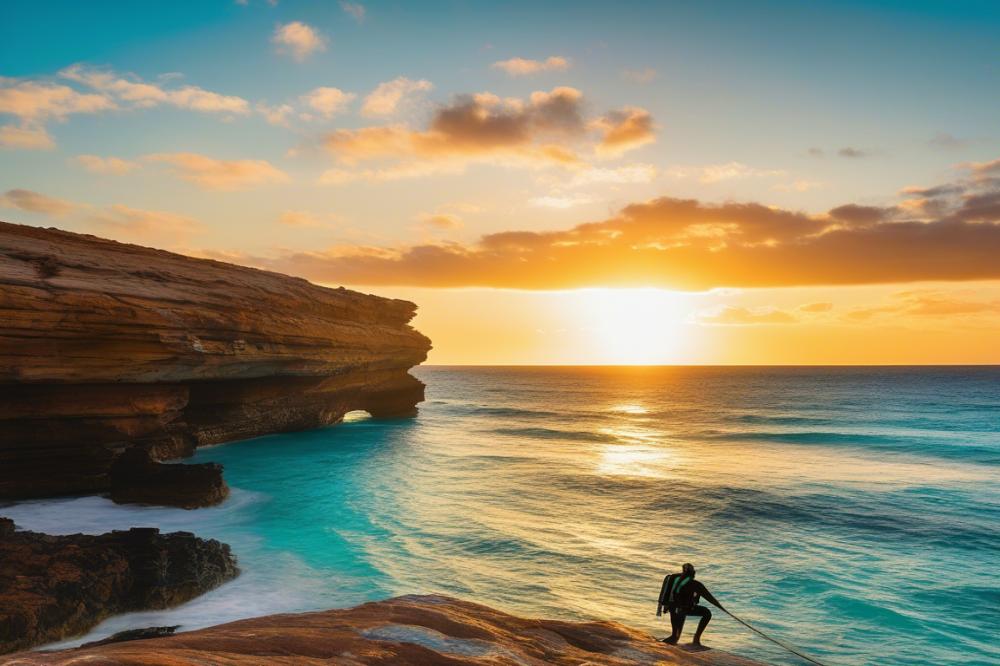
What to Expect During Shipwreck Diving
Diving into the depths where sunken ships lie can be thrilling. As divers descend, they will find remnants of maritime history. The allure of exploring these underwater graveyards often feels like treasure hunting. Each wreck tells a story, filled with artifacts and marine life that have claimed it as their home. Expect to encounter schools of fish darting around the metal hulls. Every dive presents an opportunity to connect with the past and witness nature reclaiming its territory. Those who take part in wreck diving will gain a sense of awe from the vivid underwater scenery.
Diving Conditions on the WA Coastline
Divers should be aware of the varying conditions along the Pacific Northwest. Water temperatures can drop significantly, affecting comfort levels. Visibility may differ from site to site, so plan dives accordingly. Currents may also pose challenges, making some wrecks more difficult to reach. Researching the specific conditions at each dive site enhances the experience. Those who are prepared can revel in the underwater exploration of these sites, regardless of the challenges.
Safety Considerations for Wreck Diving Enthusiasts
Safety must always come first while wreck diving. This sport requires specific skills and knowledge of scuba equipment. Always dive with a buddy for added security and support. Understanding your environment is crucial, particularly when navigating around sharp edges or unstable structures. Each wreck presents unique hazards, including entanglement and sudden changes in water pressure. By maintaining proper buoyancy, divers can avoid damage to delicate ecosystems. Dive sites often attract marine life, so be prepared to share the space with creatures big and small. Respecting these environments is critical for ocean conservation. Adventurers will find that the thrill of diving is enhanced by taking the necessary precautions.
Marine Life and Ecosystems Surrounding Shipwrecks
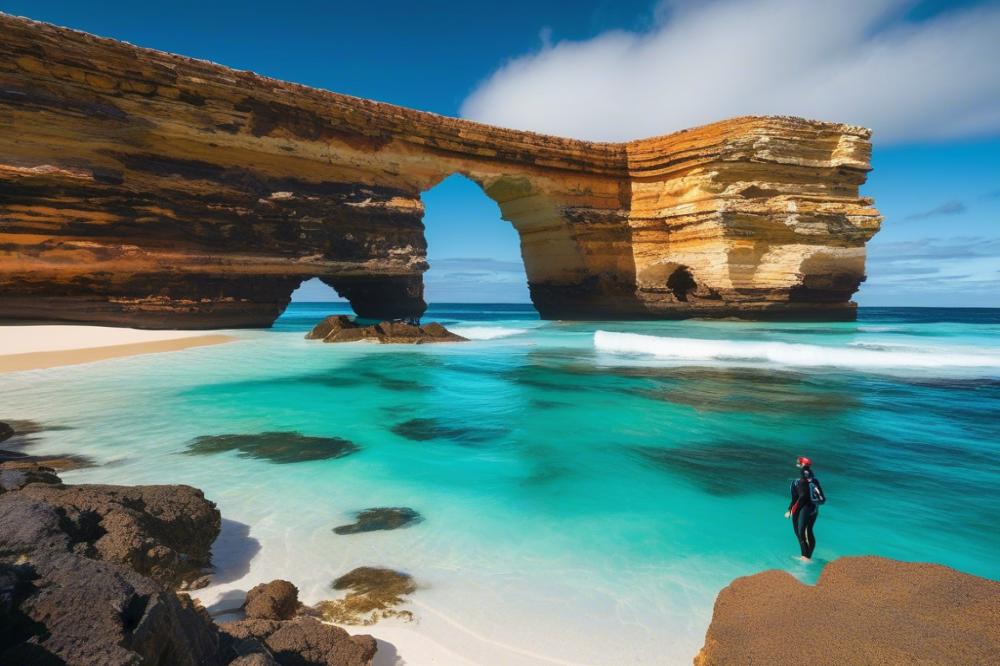
Importance of Shipwrecks as Artificial Reefs
Shipwrecks play a vital role in the marine environment. They serve as artificial reefs, creating new habitats for various species. Over time, these submerged structures become home to diverse marine life. Corals, sponges, and algae flourish on the metal surfaces. This transformation supports entire ecosystems and aids ocean conservation efforts. As life builds upon these wrecks, they create a thriving underwater community. Exploring these sites can unveil countless wonders of maritime history.
Diverse Marine Life Supported by Wreck Sites
Visit a shipwreck, and you might encounter schools of colorful fish. Some species seek shelter in the nooks and crannies of the wreckage. Others come to feed, drawn by the abundant food sources. The Pacific Northwest is known for its rich biodiversity. Encountering octopuses, sea stars, and even seals adds excitement to wreck diving. Each dive presents a chance to witness how unique marine creatures adapt to their environment.
Opportunities for Underwater Photography and Exploration
Diving around these historical sites offers incredible photography opportunities. Capture stunning images of vibrant marine life thriving among the ruins. Underwater exploration reveals fascinating details of both nature and history. With proper gear, treasure hunting becomes an adventure of a lifetime. Documenting these experiences not only enriches personal knowledge but also sparks interest in nautical adventure. Sharing photographs can inspire others to appreciate and protect these underwater treasures.
Ocean Conservation and Preservation Efforts
Protecting historic shipwrecks is crucial for several reasons. These underwater sites serve as important markers of our maritime history. They tell stories of adventure, trade, and even tragedy. Shipwrecks provide habitat for many marine life species, creating ecosystems that thrive in these submerged environments. Additionally, they act as markers for divers, attracting enthusiasts eager for diving and exploration while also promoting tourism.
Conservation Initiatives by Maritime Authorities
Maritime authorities recognize the value of these submerged treasures. They’ve set forth conservation initiatives aimed at preserving wrecks along the Pacific Northwest coast. Regulations now exist to limit treasure hunting that can harm these sites. Engaging local communities, these authorities also promote awareness of nautical adventures that prioritize the protection of our ocean heritage. Many programs focus on educating both divers and the public about the importance of preserving these historical artifacts. The collaborative effort helps maintain the delicate balance between exploration and conservation.
Responsible Diving Practices to Promote Ocean Health
Responsible diving practices are essential for ocean conservation. Divers should always respect marine life and their habitats. Touching or disturbing underwater formations can lead to irreversible damage. When wreck diving, it’s vital to follow protocols that minimize impact on delicate ecosystems. Many divers advocate for leaving artifacts in place rather than taking them as souvenirs. This practice not only preserves history but also maintains the natural integrity of the dive site.
Planning dives with care makes a significant difference. Opting for guided tours can also reduce the footprint left behind on marine environments. Through responsible behavior, we can help ensure that future generations will enjoy these sites as much as we do today. Ocean health is tied to how we explore and interact with these unique environments. By making conscientious choices, divers can contribute to the preservation of our ocean’s treasures.
Treasure Hunting and Nautical Adventure
The allure of treasure hunting at shipwreck sites captivates many. Diving into the depths of the ocean offers more than just adventure; it opens a window to maritime history. Each dive presents an opportunity to uncover remnants of the past, be it coins, jewelry, or artifacts. Enthusiasts often embark on a quest to discover hidden treasures, thrilling both novice and experienced divers alike.
Famous treasures found and stories behind them
Countless tales echo through the waters of the Pacific Northwest. For example, the infamous wreck of the SS Pacific, which sank in 1875, carries rumors of gold and silver coins awaiting discovery. Stories speak of divers who stumbled upon pre-Columbian gold while exploring the site of another historic vessel. Each find is a link to the past, igniting imaginations and inspiring new generations to explore.
Individuals have also uncovered personal belongings, shedding light on the lives of those who perished. Imagine holding an item that once belonged to a sailor centuries ago. These moments are priceless and root us deeper in the fabric of history. Each newfound object tells a story, connecting us to those who navigated these waters long before.
Ethical considerations in treasure hunting activities
While the thrill of uncovering treasures is undeniable, ethical considerations must guide our actions. Respect for the underwater environment remains paramount. Wreck diving can impact marine life; hence, careful planning and sensitivity are crucial. Ocean conservation should be at the forefront of our minds. Preserving these historic sites is essential for future generations.
Some divers argue that unearthing artifacts can lead to their loss or damage. Responsible treasure hunting means documenting finds and sharing knowledge with the community. All treasure hunters should be aware of legal regulations protecting submerged sites. Understanding and honoring these laws ensures that maritime artifacts are preserved for years to come.
Ultimately, diving should be about enjoying the adventure and heritage of the ocean. Exploring the depths offers a chance to connect with nature and history. By combining treasure hunting with respect for the ocean, we can foster a love for both adventure and ocean conservation.
Planning Your Diving Adventure
Best Times and Locations for Wreck Diving
Visiting the Pacific Northwest for shipwreck diving can be an unforgettable experience. Late spring and early summer are often the best times. Water temperatures are warmer, and visibility improves significantly. Popular dive spots include the San Juan Islands and the coast near Port Townsend. These areas are rich in maritime history and feature several famous wrecks. Exploring the underwater landscapes reveals a world teeming with marine life.
Joining a local diving community can lead you to even more hidden treasures. Many divers recommend early mornings for dives. At this time, sea conditions are usually calmer. Moreover, light filtering through the water creates stunning visuals.
Equipment and Training Needed for Divers
Before heading underwater, make sure you have the proper gear. A good wetsuit or drysuit is essential for comfort in cooler waters. Always pack your mask, fins, and dive computer. Having a buoyancy control device is also crucial for safety. You might find it helpful to invest in a dive torch. Visibility can drop significantly in certain areas.
Training plays a vital role in your preparation. Consider enrolling in a certification course like PADI or NAUI. Gaining an understanding of wreck diving techniques is important. Familiarity with the local ecosystems helps you appreciate the environment better. Always prioritize safety and communication with your dive buddy.
Local Diving Operators and Tour Options
Exploring dive shops and local operators can enhance your journey. Many businesses offer guided tours to specific wreck sites. Expert instructors provide valuable insights into marine life and ship history. A group dive can be more enjoyable and safer for beginners. Look for tours that emphasize ocean conservation and respect for the underwater environment.
Online reviews and recommendations can help you choose the right operator. Many experienced divers share their favorites. Some companies even offer treasure hunting dives, adding excitement to your underwater adventure. Connecting with local divers can lead to invaluable tips and camaraderie.
Don’t hesitate to ask questions before taking the plunge. Knowing what to expect can ease your nerves and boost your confidence. Each dive will deepen your understanding of maritime history and strengthen your love for the ocean.
Reflecting on Our Maritime Adventures
Exploring shipwrecks off the coast of Washington offers a glimpse into our maritime heritage. These submerged relics tell stories of bravery, tragedy, and innovation. Each dive provides not just an adventure but a chance to connect with the past. The allure of these sites is undeniable. They invite divers to uncover secrets hidden beneath the waves.
For anyone considering this experience, there’s a thrilling world waiting just below the surface. Whether you are a seasoned diver or just starting, engaging with these historic remnants can be life-changing. Imagine swimming among the remains of vessels that once sailed the oceans. This kind of underwater exploration deepens our understanding of history while also stirring a sense of wonder.
Conservation of our oceans is vital. As you venture into these waters, remember the importance of preserving what you find. Protecting marine environments ensures that future generations can enjoy these shipwrecks. After all, the ocean is home to countless stories waiting to be discovered. Respectful diving fosters a better relationship with nature and helps maintain the delicate balance of ecosystems.
In closing, embrace the adventure that lies ahead. Each dive is an opportunity to learn about the past and contribute to ocean conservation. Adventures await those ready to explore the depths. Dive into the rich history of our seafaring past and become part of the ongoing story of maritime heritage. Happy diving!
