
Discovering the archaeological wonders of Phoenician Mozia
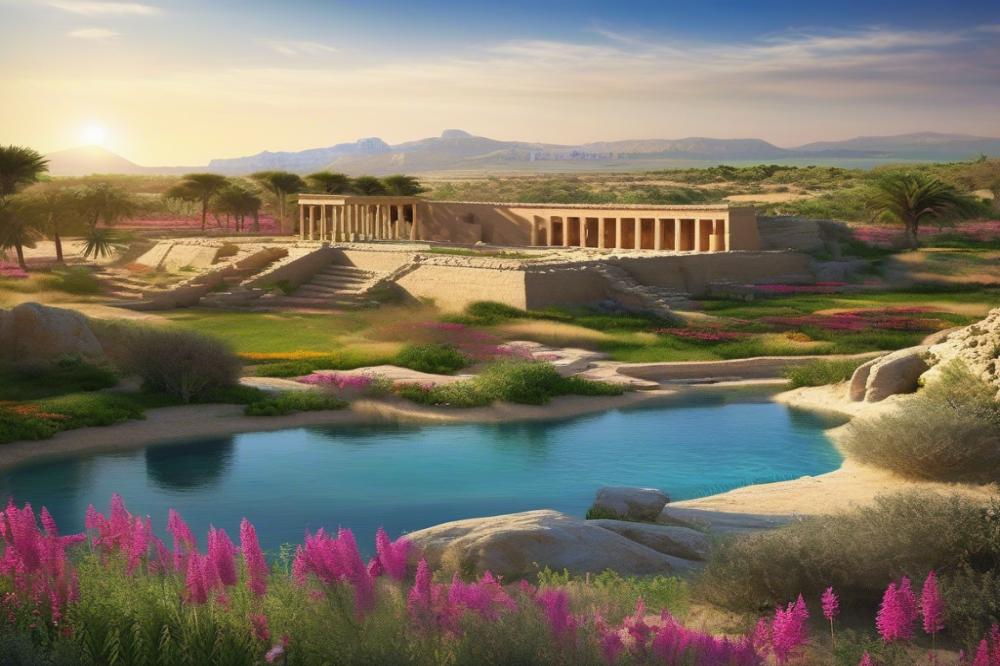
The island of Mozia stands as a testament to the rich tapestry of ancient history. Located in Sicily, this archaeological site offers insights into the lives of the Phoenicians, a seafaring civilization that thrived in the Mediterranean. Travelers drawn to archaeology will find the remnants of this ancient culture captivating.
Significant to the Mediterranean cultures, Mozia showcases the brilliance of the Phoenicians. Their influence extended beyond trade; they shaped the region’s history through innovation and artistry. The artifacts uncovered here reveal much about daily life, commerce, and spirituality among these ancient people.
Exploring the site allows visitors to engage with history in a profound way. From the ruins of temples to the remnants of urban life, the echoes of past civilizations resonate. Each stone tells a story, inviting onlookers to delve deeper into the mysteries of ancient settlements.
Carthaginian influence can also be detected at Mozia, hinting at the complex relationships between various cultures in the Mediterranean. For anyone fascinated by heritage and the stories of those who came before, this island offers a treasure trove of historical significance. Ultimately, it is the allure of these archaeological wonders that continues to capture the imagination of visitors from around the globe.
Understanding Phoenician Mozia
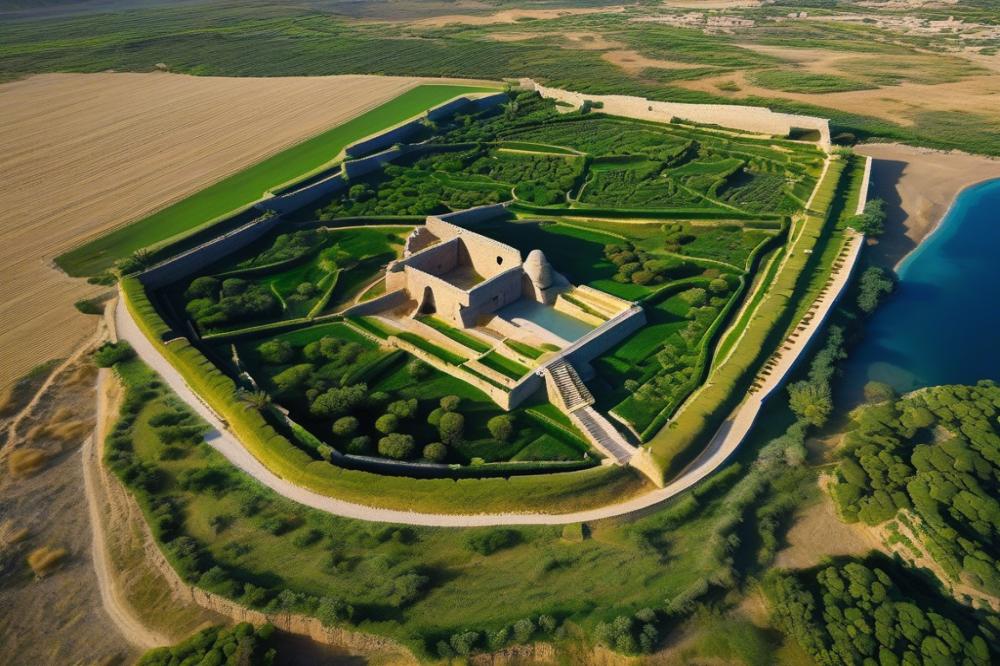
The ancient settlement of Mozia flourished as a significant Phoenician trading port. Founded during the 8th century BCE, this archaeological site sits on a small island off the western coast of Sicily. Its strategic location allowed it to become a hub for Mediterranean cultures.
Trade played a vital role in the development of Mozia. Merchants engaged in commerce with various regions, exchanging goods like textiles, glass, and precious metals. As a result, the riches brought by trade fostered a vibrant community. The island became known for its extensive harbor facilities, which accommodated ships from different backgrounds.
Carthaginian influence shaped the cultural landscape of the region. Carthage, a major power in the ancient world, had a strong connection to the Phoenicians. Mozia served as an important link between the two. The city showcased elements of Carthaginian culture, seen in its architecture and decorative arts. Historical artifacts discovered at the site highlight these connections.
Archaeology has unveiled much about the life and culture of the people who lived on the island of Mozia. Excavations have revealed temples, residential areas, and public structures. These findings showcase the sophistication of Phoenician urban planning. The blend of local traditions and Carthaginian practices contributed to a rich cultural heritage.
As researchers continue to examine this site, the importance of Mozia within ancient trade networks becomes clearer. It was not merely a settlement but a bustling marketplace. Mozia stands as a testament to the ingenuity of its inhabitants. Understanding its history enriches our perspective on the broader narrative of ancient history. Through ongoing study, we uncover more about the intertwined fates of these ancient civilizations.
Visiting the Archaeological Site
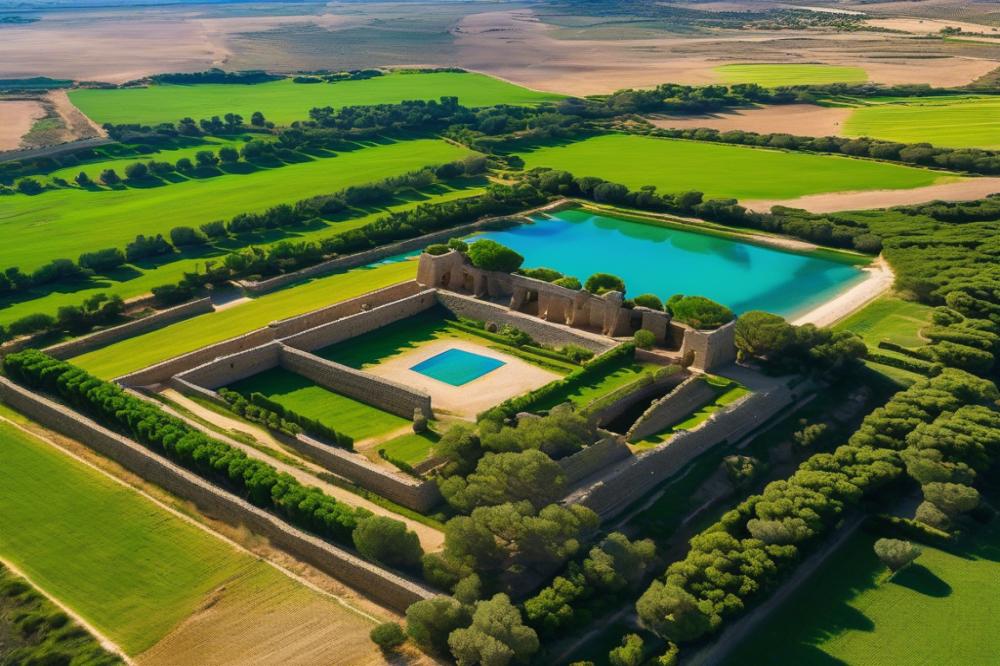
The island of Mozia offers a fascinating glimpse into ancient history, particularly that of the Phoenicians. At the heart of this archaeological site lies a layout that showcases a once-thriving settlement. Variety abounds here, with temples, fortifications, and residential structures waiting to be explored.
One of the most impressive areas is the sanctuary dedicated to the goddess Astarte. This temple features beautifully preserved remains that reflect the religious practices of the Phoenicians. Travelers should not miss the intricate carvings and altars that tell stories of worship and sacrifice.
Fortifications built to protect the island stand as a testament to the Carthaginian influence on this community. These walls provide insight into the strategic thinking of ancient peoples. Walking along these structures, visitors can imagine the bustling activity that once filled this area.
Residential buildings reveal how ordinary life was lived. Rooms of various sizes suggest a complex social structure. The layout allows for exploration of daily routines, showing how families interacted in this ancient settlement.
For those keen to navigate the site effectively, begin at the entrance, where a map is available. Use this guide to plan your journey through the ruins. Key points of interest are marked, making it easier to find significant artifacts.
Ensure to take your time while walking through the pathways. The archaeological site spans several acres, meaning there’s plenty to see. Significant historical artifacts are on display, offering deeper understanding of Phoenician culture and their connections to other Mediterranean cultures.
Don’t forget to engage with the knowledgeable guides often present on-site. They can share stories and details that enhance your experience. Questions are welcomed, and their insights add layers to the understanding of this cultural heritage.
Photography is encouraged, but be respectful of the site. Capture the beauty while remembering the history that resonates in every stone. Each visit contributes to the ongoing appreciation of this unique archaeological treasure.
Navigation is generally straightforward, but comfortable footwear is advisable. The terrain can be uneven in sections, especially around the fortifications. Plan your visit during cooler times of the day to fully enjoy your exploration of this ancient wonder.
Key Historical Artifacts
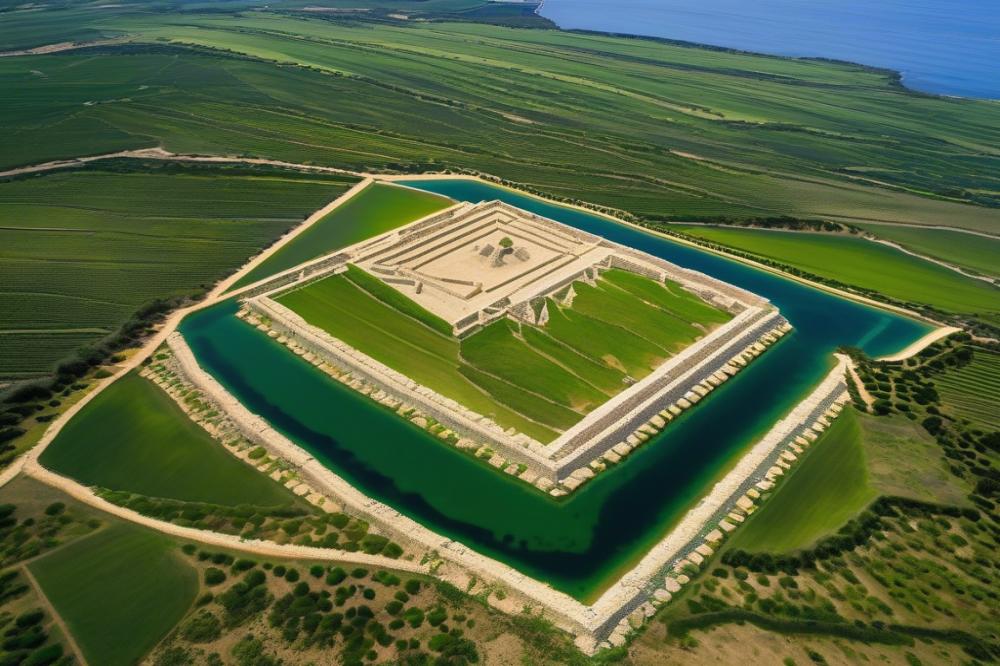
The island of Mozia is rich in history and culture. Many significant artifacts have emerged from this archaeological site, revealing much about the Phoenicians. Sculptures and pottery speak volumes about their daily lives. Small bronze items hint at trade and craftsmanship.
One of the standout discoveries is the rare statue of a young man, known as the “Youth of Mozia.” This exquisite piece showcases the artistry of ancient Mediterranean cultures. It reflects the aesthetic values and skills of the Phoenician craftsmen. Such sculptures offer insights into religious practices and ideals of beauty of that era.
Another important find is a wealth of pottery, including large storage jars called amphorae. These artifacts were commonly used for transporting goods like olive oil and wine. Their presence underscores the economic exchanges between the Phoenicians and other Mediterranean peoples. Furthermore, inscriptions found on some of these pots reveal the languages spoken during that time.
Visitors can view many of these historical artifacts at the Whitaker Museum, located on Mozia. The museum houses an impressive collection that highlights the island’s importance in ancient history. Additionally, various stone markers and altars at the archaeological site reflect the religious beliefs of the Phoenicians and their Carthaginian influence.
Excavations continue to uncover more remarkable finds each season. This ongoing work sheds light on the social, political, and economic aspects of Phoenician life. Each artifact contributes to a broader understanding of their cultural heritage. Archaeology on this small island paints a vivid picture of a thriving civilization long ago.
Activities and Experiences on the Island
Looking for things to do on the island of Mozia? Visitors can immerse themselves in its rich heritage through various activities. Guided tours led by knowledgeable experts are a fantastic way to explore the archaeological site. These tours highlight the remarkable history of the ancient Phoenicians and their achievements, allowing guests to walk in the footsteps of a thriving Mediterranean culture.
Cultural events take place throughout the year. Local festivals celebrate the island’s heritage through music, dance, and traditional foods. Attending one can provide a deeper understanding of the customs and lifestyles of the people who once lived there. Workshops also offer hands-on experiences. Guests can try pottery-making or learn about ancient farming techniques used by the Phoenicians.
Engaging with local experts during your visit is essential. They often share fascinating insights about ongoing archaeological initiatives. Many visitors enjoy discussions about recent discoveries or contributions made by the Carthaginian influence in the region. This interaction can enhance your appreciation of historical artifacts and their significance.
Nearby attractions also deserve exploration. The surrounding waters provide excellent opportunities for snorkeling or kayaking. Adventurous visitors might see remnants of ancient structures beneath the waves. The natural beauty of the island adds to its allure. Lush landscapes and serene beaches create a stunning backdrop for relaxation after a day of discovery.
Don’t miss the chance to participate in community projects focused on cultural heritage preservation. Volunteering can provide a rewarding experience while helping to protect the island’s history. Engaging in these initiatives fosters a connection between visitors and the local people, building a sense of shared responsibility for the past.
Whether you are an archaeology enthusiast or simply seeking a unique adventure, Mozia has something for everyone. Explore its ancient ruins, participate in workshops, or take part in cultural events. Dive into the past and embrace the wonders waiting to be discovered.
Exploring the Cultural Heritage of Mozia
The island of Mozia, rich in archaeological treasures, offers a glimpse into the life of ancient Phoenicians. Its historical artifacts provide vital insight into how these people interacted with other Mediterranean cultures. Their influence, particularly from the Carthaginian period, still resonates in modern Sicilian culture.
Visitors to the island can engage with the heritage through museums and local events. Many young Sicilians take pride in their ancestry, often participating in festivals that celebrate Phoenician traditions. Such activities help connect the past with present-day life.
Recent efforts focus on preserving this cultural heritage. Restorations of ancient structures and exhibitions aim to educate the public. Collaborations with archaeologists contribute to a greater understanding of the site’s importance. Schools in the vicinity now include aspects of ancient history in their curriculums, fostering a sense of identity among students.
Moreover, the island attracts tourists eager to explore its rich past. Tours highlight significant archaeological sites, enhancing appreciation for the Phoenicians. Learning about their maritime skills, trade routes, and art enriches the experience for many visitors.
Sicilia is not only a home for those who currently live here but also a bridge to ancient civilizations. The stories embedded within the ruins of Mozia serve as a reminder of the interconnectedness of cultures long ago. Through various initiatives, the local community commits to showcasing this profound heritage.
In summary, the cultural tapestry woven by the Phoenicians in Mozia continues to shape its identity today. Understanding this legacy is not just about looking back; it’s about celebrating a unique past that helps guide contemporary Sicilian society.
Embracing the Richness of Ancient Culture
Discovering the archaeological site of Mozia holds significant value for our understanding of ancient history and Mediterranean cultures. The remnants of the Phoenicians reveal a civilization renowned for its trade, maritime prowess, and religious practices. These findings deepen our appreciation of the connections that existed between different cultures in the Mediterranean basin.
Travelers seeking to explore this historical gem will find an array of stunning artifacts and ruins that speak volumes about the daily lives of its ancient inhabitants. Walking through the site, you can almost hear the whispers of the past. The influence of the Phoenicians extended beyond commerce; their legacy shaped the cultures around the Mediterranean Sea.
Visitors should definitely consider including Mozia in their travel itineraries when exploring Sicily. The experience promises to be enriching, offering insights into a vibrant, yet often overlooked chapter of history. Each discovery on this small island enhances our understanding of a complex network of ancient societies. By planning a trip to this archaeological wonder, travelers can witness firsthand the cultural richness that still resonates today.
In summary, embarking on a journey to this unique site reveals the interconnectedness of ancient civilizations that once thrived along the shores of Sicily. Don’t miss the opportunity to uncover the fascinating history waiting for you in Mozia.
